
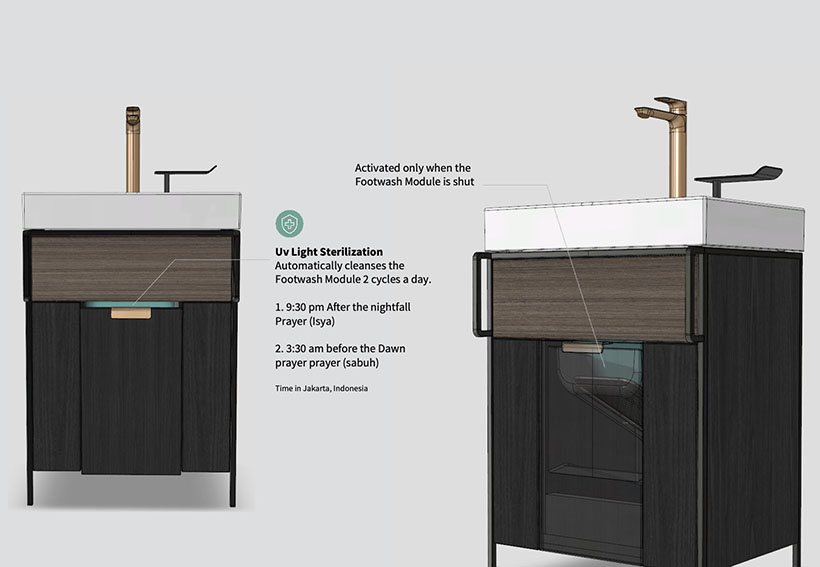
Installing a wudu sink correctly is essential to ensure safety, hygiene, and convenience for all users. A poorly executed installation can lead to water spillage, structural damage, or discomfort during ablution. Understanding the common mistakes and how to avoid them is key to creating a functional and durable Muslim foot washing sink setup.
A practical example of a well-designed solution is the Muslim foot washing sink, which combines upper hand and lower foot washing basins into a single ergonomic unit. Its thoughtful design reduces installation errors, but attention to proper placement, height, and plumbing connections is still necessary to maximize usability and safety.
Incorrect Height Placement
One of the most frequent mistakes in sink installation is setting the basins at an inappropriate height. If the hand or foot basin is too high or too low, users may struggle to perform wudu comfortably. Wall-mounted sinks should be positioned with sufficient clearance underneath for seated users or wheelchair access, while floor-mounted units should consider the average height of all potential users.
Carefully measuring and testing heights before final installation ensures that the sink accommodates children, adults, and elderly individuals comfortably, promoting proper ablution practices without strain.
Poor Plumbing Connections
Improper plumbing installation can cause leaks, clogs, or slow drainage. Common mistakes include using incompatible fittings, failing to secure pipes properly, or neglecting slope requirements for efficient water flow. These issues may lead to water pooling around the sink, increasing the risk of slips and long-term water damage to floors and walls.
Hiring a professional plumber or following manufacturer guidelines ensures that water supply and drainage are properly connected, minimizing maintenance issues and enhancing the longevity of the sink.
Inadequate Space Planning
Installing a sink without considering surrounding space can result in cramped or congested wudu areas. Users need sufficient room to move comfortably, especially in communal settings like mosques. Placing the sink too close to walls, doors, or other fixtures can hinder accessibility and reduce comfort.
Proper spacing also facilitates cleaning and maintenance. Allowing adequate clearance around the sink prevents water from splashing onto walls or other surfaces, maintaining hygiene and safety.
Neglecting Non-Slip Surfaces
Slippery surfaces around the sink are a common hazard, particularly for elderly users or children. Failure to install non-slip flooring or choose basins with textured surfaces increases the risk of accidents. Some installations also overlook the importance of drainage slope, allowing water to pool and create slippery patches.
Selecting a Muslim foot washing sink with integrated non-slip features or installing additional non-slip mats ensures a safer environment during ablution.
Overlooking Accessibility Needs
Accessibility is often overlooked during installation, resulting in a sink that is difficult to reach for individuals with limited mobility or height differences. Wall-mounted sinks must leave enough legroom for seated users, and faucets should be easy to operate for people with arthritis or reduced hand strength.
Considering accessibility during planning prevents frustration and promotes independence for all users, including the elderly and disabled.
Ignoring Material Durability
Choosing materials that are prone to scratches, stains, or corrosion can lead to frequent repairs or replacement. Installing a sink made of low-quality materials may also create hygiene issues, as porous surfaces can harbor bacteria. Durable materials such as solid surfaces or composites are essential for maintaining long-term hygiene and minimizing maintenance.
Poor Drainage Planning
A common mistake is neglecting proper drainage design, which can result in water backing up or overflowing from the sink. Ensuring that basins are slightly sloped towards the drain and that pipes are free from blockages prevents water stagnation and maintains a clean environment. Efficient drainage is particularly important in communal spaces with heavy wudu usage.
Conclusion
Avoiding these common mistakes ensures a safe, hygienic, and efficient Muslim foot washing sink installation. Proper height placement, reliable plumbing, adequate spacing, non-slip surfaces, accessibility consideration, durable materials, and efficient drainage all contribute to a functional ablution area. By addressing these factors during planning and installation, homeowners and facility managers can create a wudu space that serves all users comfortably and maintains its performance over time.