
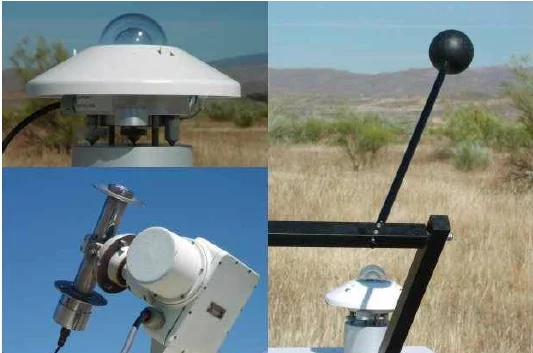
Radiation exposure poses significant risks in various industries, including healthcare, nuclear energy, industrial manufacturing, and research laboratories. Continuous monitoring of radiation levels is essential to ensure the safety of personnel, the environment, and equipment. Radiation sensors are specialized devices that detect and measure ionizing and non-ionizing radiation, providing accurate and real-time information to mitigate potential hazards. Their role in safety monitoring is increasingly recognized as essential for maintaining regulatory compliance, reducing health risks, and enhancing operational efficiency.
A Radiation Sensor serves as the cornerstone of radiation safety monitoring systems. By detecting radiation levels in real-time, these sensors enable immediate alerts when exposure exceeds safe thresholds. This allows for rapid response and preventive action to protect personnel and the surrounding environment. With advanced features such as high sensitivity, precise calibration, and robust durability, modern radiation sensors ensure reliable and accurate monitoring, even in challenging or fluctuating conditions.
Real-Time Detection and Alerts
One of the primary benefits of radiation sensors is their ability to provide real-time detection of hazardous radiation levels. Instant alerts can notify personnel about unsafe exposure, enabling them to take protective measures immediately. In environments like nuclear power plants or medical imaging facilities, where radiation levels can change rapidly, timely detection is critical. Real-time monitoring reduces the risk of prolonged exposure, which can have serious health consequences, including radiation sickness or long-term illnesses such as cancer.
Regulatory Compliance and Reporting
Radiation sensors also play a crucial role in regulatory compliance. Many industries are subject to strict regulations regarding permissible radiation exposure levels. Using radiation sensors ensures that organizations can monitor and document radiation levels accurately, meeting legal and safety requirements. Continuous monitoring allows companies to maintain detailed logs, demonstrating compliance to regulatory bodies and avoiding penalties or shutdowns. Additionally, these sensors help organizations implement proactive safety strategies, reducing the likelihood of accidents and legal liabilities.
Workplace Safety and Risk Mitigation
Workplace safety is significantly enhanced by the use of radiation sensors. By continuously monitoring radiation levels, sensors identify potential hazards and help implement preventive measures. For example, in laboratories or hospitals using X-ray equipment, sensors can detect leaks or abnormal radiation emissions, preventing accidental exposure. In nuclear facilities or industrial plants, sensors monitor high-energy particle emissions, allowing operators to isolate affected areas or adjust operations. This proactive approach mitigates risks, ensuring that personnel can work safely in potentially hazardous environments.
Environmental Protection
Radiation sensors are not only essential for protecting human health but also for environmental safety. They can detect radiation leaks or contamination in the surrounding environment, allowing rapid intervention to prevent ecological damage. Monitoring radiation in soil, water, or air helps organizations manage waste, control emissions, and prevent long-term contamination. Early detection and response protect ecosystems and communities living near industrial or nuclear facilities.
Data Accuracy and Analysis
Modern radiation sensors offer high precision and sensitivity, providing accurate data even in complex environments. Accurate measurements allow for informed decision-making regarding safety procedures and operational adjustments. Sensors can be integrated with monitoring systems and data loggers to collect and analyze historical radiation data, helping identify trends or recurring issues. This analytical capability supports preventive maintenance, operational optimization, and long-term safety planning.
Versatility Across Applications
Radiation sensors are versatile and suitable for a variety of safety monitoring applications. In healthcare, they protect medical staff and patients by monitoring X-ray and gamma-ray exposure. In industrial settings, they safeguard workers handling radioactive materials or high-energy equipment. Environmental agencies use these sensors to monitor background radiation levels and detect contamination. Solar energy projects also benefit from radiation sensors that monitor solar irradiance and UV exposure, ensuring safe operation of equipment. This versatility makes radiation sensors a critical component of comprehensive safety systems.
Ease of Integration and Automation
Modern radiation sensors are designed for seamless integration with automated monitoring systems. They can communicate with alarms, control systems, and cloud-based platforms, providing continuous surveillance without requiring manual intervention. Automated alerts and data logging simplify operations and reduce human error, enhancing the reliability and effectiveness of safety monitoring programs. Integration also enables remote monitoring, which is especially valuable in large industrial complexes or hazardous locations.
Cost Efficiency and Long-Term Benefits
While implementing radiation sensors requires an initial investment, the long-term benefits outweigh the costs. Sensors prevent accidents, reduce health-related expenses, and minimize regulatory penalties. They also contribute to operational efficiency by enabling better management of radiation-emitting processes and equipment. Over time, reliable monitoring systems help organizations optimize safety protocols, reduce downtime, and protect both human and environmental health, ultimately saving costs and enhancing sustainability.
Conclusion
Radiation sensors provide significant benefits for safety monitoring across multiple industries. Their ability to detect radiation in real-time, ensure regulatory compliance, protect personnel and the environment, and deliver accurate data makes them indispensable tools for modern safety systems. By integrating radiation sensors into operational protocols, organizations can reduce risk, enhance workplace safety, and achieve long-term efficiency and reliability. Whether in healthcare, nuclear energy, industrial operations, or environmental monitoring, these sensors are vital for protecting human health and supporting sustainable practices.