
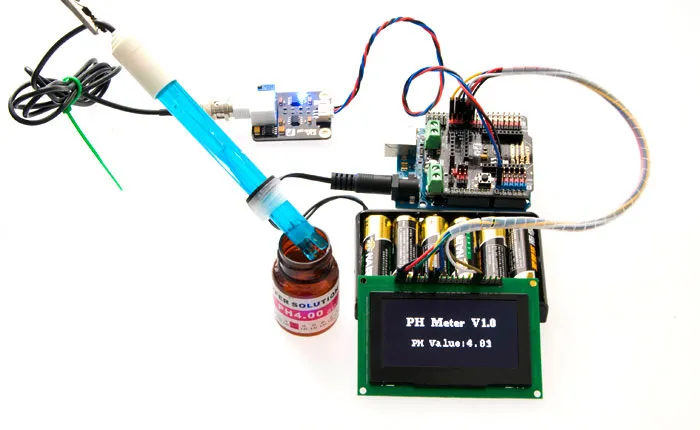
Municipal water systems are responsible for delivering safe and clean water to communities, making water quality monitoring a top priority. One of the key parameters that must be carefully managed is pH, which indicates the acidity or alkalinity of water. Proper pH balance is critical not only for the safety of consumers but also for the protection of water distribution infrastructure, including pipes and storage facilities.
A water ph sensor is an essential tool for municipal water systems. By providing real-time, continuous measurements of water pH, these sensors help water authorities detect fluctuations, optimize treatment processes, and ensure compliance with regulatory standards. The accuracy and immediacy of sensor data support efficient operation and the delivery of high-quality water to the public.
Importance of pH in Municipal Water Systems
Maintaining the proper pH range in municipal water systems, typically between 6.5 and 8.5, is crucial for several reasons:
- Water Safety: Extremely acidic or alkaline water can pose health risks to consumers.
- Infrastructure Protection: Incorrect pH levels can corrode metal pipes or cause scaling, reducing the lifespan of distribution systems.
- Treatment Efficiency: Proper pH levels ensure the effectiveness of disinfection processes and chemical treatments used in water purification.
Monitoring pH is not a one-time task but requires continuous observation to respond promptly to any changes in water chemistry, whether caused by seasonal variations, chemical dosing adjustments, or contamination events.
How a Water pH Sensor Works
A water pH sensor measures the concentration of hydrogen ions in water and converts this chemical activity into an electrical signal. This signal is processed to provide an accurate pH reading that can be displayed, recorded, or integrated into automated control systems. Modern digital sensors are designed for continuous operation and can withstand the diverse conditions encountered in municipal water systems.
Using a water ph sensor enables water treatment operators to maintain optimal pH levels across the network. Real-time monitoring allows for immediate corrective action, preventing potential water quality issues before they affect consumers.
Key Applications in Municipal Water Systems
1. Monitoring Treated Water
pH sensors are installed in water treatment plants to track the pH of treated water before it enters the distribution system. This ensures that chemical dosing, such as chlorination or lime addition, is correctly balanced to meet safety and quality standards.
2. Distribution System Management
pH levels can change as water travels through pipes due to reactions with metals, sediments, or biofilm. Continuous pH monitoring within the distribution network allows operators to detect these changes, minimizing corrosion, scaling, and other maintenance issues.
3. Regulatory Compliance
Municipal water providers must comply with local and national regulations regarding water quality. pH monitoring provides data necessary for reporting and auditing, demonstrating adherence to safe drinking water standards.
4. Early Detection of Contamination
Changes in pH can indicate potential contamination or chemical imbalances in the water system. Sensors offer early warning signals, allowing for immediate investigation and intervention to protect public health.
Benefits of Water pH Sensors in Municipal Systems
Integrating water pH sensors into municipal water operations provides numerous advantages:
- Accurate Real-Time Data: Enables prompt decision-making and operational adjustments.
- Enhanced Public Safety: Reduces the risk of exposure to unsafe water conditions.
- Cost Savings: Prevents corrosion and scaling, reducing maintenance and replacement costs.
- Process Optimization: Supports efficient chemical dosing and treatment control.
- Automated Monitoring: Reduces the need for manual sampling and laboratory testing.
These benefits make pH sensors an essential component of modern municipal water systems, improving both water quality and operational efficiency.
Best Practices for Sensor Maintenance
To ensure reliable performance, water pH sensors should be calibrated regularly using standard buffer solutions, cleaned to remove deposits or biofilm, and maintained according to manufacturer guidelines. Strategic sensor placement throughout the treatment plant and distribution network ensures representative and accurate measurements across the system.
Conclusion
Water pH sensors play a critical role in municipal water systems by providing continuous, accurate monitoring of water acidity and alkalinity. From treatment plants to distribution networks, these sensors support operational efficiency, regulatory compliance, infrastructure protection, and public safety. By incorporating water pH sensors into monitoring programs, municipal authorities can deliver safe, high-quality water consistently while optimizing resources and minimizing maintenance costs.