
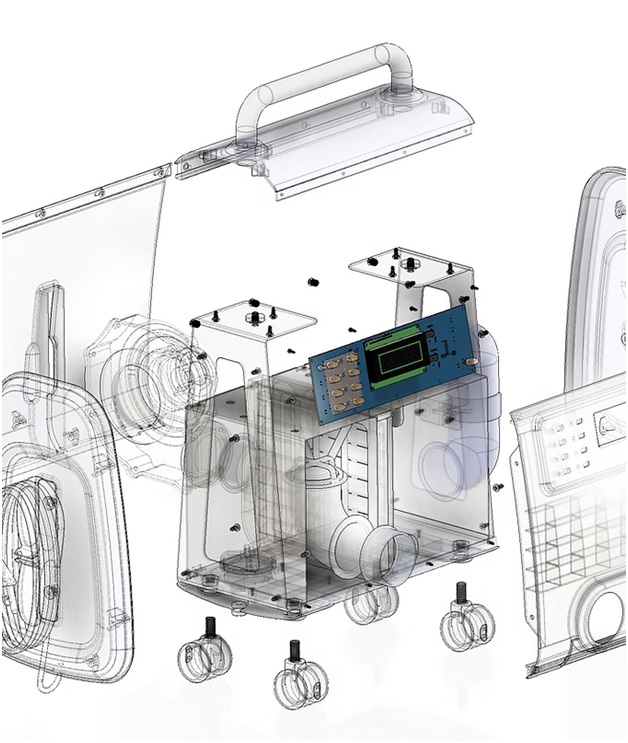
A toy may begin as a simple sketch, but turning that idea into a reliable product requires careful planning. Its shape must look appealing, components need to fit together, and materials must suit the intended use. These decisions influence how easily a toy can be manufactured and how consistently it performs. Thoughtful toy mould design connects creative concepts with practical production requirements. By considering geometry, material properties, surface details, and assembly early, designers can reduce avoidable revisions and support consistent product quality.
What Does Toy Mould Design Involve?
Toy mould design involves planning the mould that shapes material into a particular toy component. Its dimensions, geometry, surface details, and release features affect the appearance and consistency of the finished part. Requirements vary according to the toy’s structure, selected material, and manufacturing method. A simple block and a toy with several interlocking components require different design considerations.
The process begins by understanding the product’s purpose and intended appearance. Designers evaluate wall thickness, edges, joints, and details that must transfer accurately to the final component. They also consider material flow and how the finished part will be removed. Effective toy mould design balances visual appeal with manufacturing practicality, ensuring creative decisions support production rather than complicate it.
How Mould Design Affects Toy Quality
Toy quality depends on more than appearance. Design decisions influence dimensional accuracy, surface finish, component strength, and assembly. Uneven wall thickness can contribute to inconsistent cooling or visible defects, while poorly planned connections may create gaps or make components difficult to assemble. Reviewing these details early helps identify potential problems before production tooling is finalized.
Mould geometry also affects manufacturing consistency. Accurate dimensions help parts connect correctly, while suitable draft angles make removal easier and reduce surface damage. Textures, lettering, and rounded edges must suit the selected manufacturing method, particularly when several components need to work together.
- Maintain consistent wall thickness where practical.
- Include suitable draft angles for easier part removal.
- Check dimensions around joints and connection points.
- Review surface textures and decorative details.
- Consider material properties before finalizing the design.
Addressing these factors during development can improve consistency and reduce preventable rework. Clear specifications also help manufacturing teams understand the intended dimensions and finish.
Design Decisions That Support Reliable Production
A mould must create the desired shape while supporting repeatable manufacturing. Designers need to consider the production method, material, component complexity, and expected manufacturing volume. A feature that looks attractive in a digital model may be difficult to mould or may increase tooling complexity. Evaluating these trade-offs helps preserve the product’s purpose while keeping production practical.
Collaboration between industrial design and engineering strengthens these decisions. Three-dimensional CAD models allow teams to examine component geometry, clearances, and assembly relationships before tooling begins. Design-for-manufacturing principles guide adjustments to shapes, materials, and part boundaries. Addressing technical concerns early makes revisions easier to manage and aligns the design with production requirements.
1. Material Selection
Material choice influences flexibility, impact resistance, appearance, and behavior during molding. Designers should consider how the toy will be used and what performance each component requires. Material selection and geometry must be assessed together because a shape suitable for one material may need adjustment when another is chosen.
2. Wall Thickness and Geometry
Consistent wall thickness can support predictable cooling and reduce certain molding defects. Deep recesses, thin sections, and complex shapes may require additional evaluation. Thoughtful geometry balances visual detail with the practical limits of the manufacturing process.
3. Draft Angles and Release
A molded component must be removed without unnecessary force or damage. Suitable draft angles support smooth release while protecting the surface. Including these features during initial design can prevent avoidable changes later.
4. Parting Lines and Assembly
Parting lines mark where mould sections meet and may leave visible marks on a finished component. Their placement should account for appearance and function. For multi-part toys, designers should also review clips, fasteners, and connection points to support practical assembly and a suitable fit.
5. Surface Finish and Details
Textures, logos, and decorative features contribute to a toy’s appearance, but small details must suit the molding method. Extremely fine features may not reproduce as intended or may complicate tooling. Reviewing details at the appropriate scale helps maintain appearance without compromising manufacturability.
How Prototyping Helps Validate Toy Designs
Prototypes allow teams to assess a toy concept before committing to production tooling. A physical model may reveal an uncomfortable grip, difficult assembly, or a connection that needs refinement. Digital models help evaluate dimensions and component relationships, while physical prototypes provide opportunities to assess size, handling, and interaction.
Although prototypes may not reproduce every condition of final moulding, they can reveal issues before tooling changes become expensive. Testing representative components and recording feedback helps teams refine designs and prepare clearer manufacturing information.
- Review dimensions and overall proportions.
- Test how components connect and separate.
- Assess handling and ease of use.
- Identify features that may complicate manufacturing.
- Document revisions before approving production tooling.
A structured review turns observations into practical improvements. It also helps designers, engineers, and manufacturing partners communicate clearly as development progresses.
Production Readiness and Final Design Considerations
Before finalising a mould, teams should confirm that the design meets product requirements and supports consistent manufacturing. The review should cover geometry, material specifications, surface finish, assembly needs, production quantities, and process limitations. The intended user and expected handling conditions also matter. Applicable toy safety and regulatory requirements should be addressed with qualified professionals.
Clear documentation is equally important. Updated CAD files, dimensions, material details, and approved revisions reduce confusion when tooling begins. Teams should also establish how changes will be reviewed and production issues communicated. A well-organised handover helps preserve design intent while allowing manufacturing specialists to address process-specific requirements.
Conclusion
Toy mould design connects creative ideas with the precision needed for consistent production. Decisions about geometry, materials, surface details, release features, and assembly can influence product quality and manufacturing efficiency. Prototyping and engineering reviews provide opportunities to refine concepts before major tooling commitments are made.
If you are looking for the best rapid prototyping companies to support product development, Studio701 offers industrial design, engineering, prototyping, and production support. Its integrated approach helps businesses refine concepts, evaluate designs, and prepare products for manufacturing, with a focus on functionality, quality, and practical production requirements.