Vestibular physiotherapy is a specialized branch of rehabilitation that focuses on diagnosing and treating balance disorders, dizziness, and vertigo caused by issues in the inner ear or central nervous system. These conditions can significantly affect a person’s daily life, making simple activities such as walking, driving, or even standing up feel unstable or disorienting. Vestibular physiotherapy aims to retrain the body and brain to improve balance, reduce dizziness, and restore functional independence.
As awareness of balance-related disorders increases, more individuals are seeking professional treatment options that provide long-term relief rather than temporary solutions. Conditions such as benign paroxysmal positional vertigo (BPPV), vestibular neuritis, and motion sensitivity can be effectively managed through targeted rehabilitation programs. Many patients turn to specialized care such as Vestibular Physiotherapy to help improve stability, reduce symptoms of dizziness, and regain confidence in movement through structured therapeutic exercises.
What Is Vestibular Physiotherapy?
Vestibular physiotherapy is a form of rehabilitation therapy designed to treat disorders affecting the vestibular system, which is responsible for maintaining balance and spatial orientation. The vestibular system is located in the inner ear and works in coordination with the eyes and muscles to control balance.
When this system is disrupted, individuals may experience symptoms such as dizziness, vertigo, unsteadiness, nausea, or difficulty focusing during movement. Vestibular physiotherapy uses specific exercises to retrain the brain and body to compensate for these disruptions, improving balance and reducing symptoms over time.
Common Conditions Treated with Vestibular Physiotherapy
Vestibular physiotherapy is effective for a range of balance-related conditions. One of the most common is benign paroxysmal positional vertigo (BPPV), which causes short episodes of dizziness triggered by head movements.
Vestibular neuritis and labyrinthitis are other conditions that result in inflammation of the inner ear, leading to severe dizziness and balance issues. Vestibular physiotherapy helps patients recover from these conditions by retraining balance responses.
It is also used to treat motion sensitivity, where individuals feel dizzy or nauseous during movement, and post-concussion symptoms that affect balance and coordination.
How Vestibular Physiotherapy Works
Vestibular physiotherapy works by helping the brain adapt to changes in the vestibular system. This process is known as vestibular compensation, where the brain learns to rely more on visual and proprioceptive cues to maintain balance.
Therapists use a series of customized exercises to stimulate the vestibular system and improve its function. These exercises are designed to gradually reduce dizziness and improve stability during movement.
Treatment plans are tailored to each individual based on their symptoms, condition, and severity. Regular practice of prescribed exercises is essential for achieving long-term improvement.
Key Techniques Used in Vestibular Rehabilitation
Vestibular physiotherapy involves several specialized techniques aimed at improving balance and reducing dizziness. One commonly used method is gaze stabilization exercises, which help improve control of eye movements during head motion.
Another technique is balance training, which focuses on improving stability while standing, walking, or performing daily activities. These exercises challenge the body’s balance system to improve coordination and reduce fall risk.
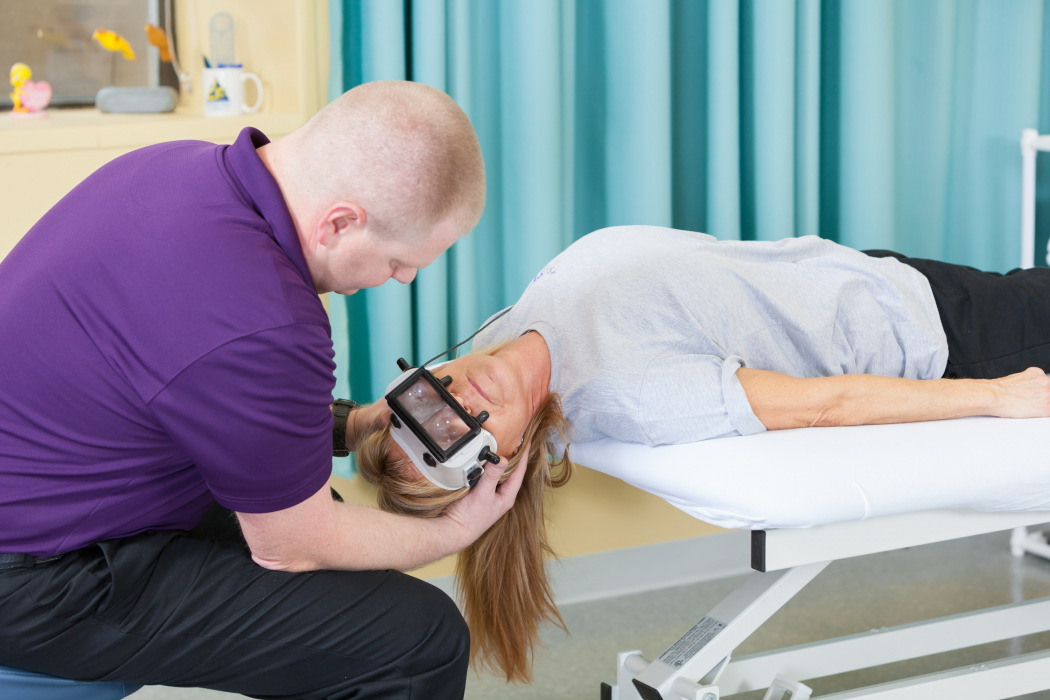
Canalith repositioning maneuvers, such as the Epley maneuver, are used specifically for treating BPPV by repositioning inner ear crystals that cause dizziness.
Habituation exercises are also used to reduce sensitivity to motion by gradually exposing patients to movements that trigger symptoms.
Benefits of Vestibular Physiotherapy
One of the main benefits of vestibular physiotherapy is the reduction of dizziness and vertigo symptoms. Patients often experience significant improvement in their ability to move without discomfort or imbalance.
Another important benefit is improved balance and coordination. This helps reduce the risk of falls, especially in older adults or individuals with chronic balance disorders.
Vestibular physiotherapy also enhances quality of life by allowing individuals to return to normal daily activities with greater confidence. Simple tasks such as walking, climbing stairs, or driving become easier and safer.
In addition, it helps reduce anxiety associated with dizziness and instability, which is common in individuals suffering from vestibular disorders.
Who Can Benefit from Vestibular Physiotherapy?
Vestibular physiotherapy is suitable for individuals of all ages who experience balance issues or dizziness. It is particularly beneficial for those diagnosed with inner ear disorders, post-concussion symptoms, or chronic dizziness conditions.
Older adults who are at higher risk of falls can also benefit from balance training and stability exercises. Athletes and active individuals recovering from head injuries may also use vestibular rehabilitation to restore normal function.
Even individuals with mild symptoms of motion sensitivity can benefit from early intervention to prevent worsening of symptoms.
What to Expect During Treatment
A typical vestibular physiotherapy session begins with a detailed assessment of symptoms, medical history, and balance function. The therapist may perform tests to evaluate eye movements, posture, and coordination.
Based on the assessment, a personalized treatment plan is developed. This plan may include a combination of exercises performed during sessions and at home.
Progress is monitored regularly, and exercises are adjusted as symptoms improve. Consistency and adherence to the program are key factors in successful recovery.
Challenges in Vestibular Rehabilitation
Vestibular rehabilitation can be challenging, especially in the early stages when exercises may temporarily increase dizziness. However, this is a normal part of the adaptation process and typically improves over time.
Another challenge is maintaining consistency with exercises at home. Regular practice is essential for the brain to adapt and reduce symptoms effectively.
Some patients may also experience slow progress depending on the severity of their condition, but gradual improvement is common with continued therapy.
Conclusion
Vestibular physiotherapy is an effective and evidence-based treatment for individuals suffering from dizziness, vertigo, and balance disorders. By retraining the brain and improving vestibular function, it helps restore stability, reduce symptoms, and enhance overall quality of life. With personalized treatment plans and consistent practice, patients can regain confidence in movement and return to their daily activities safely and comfortably.