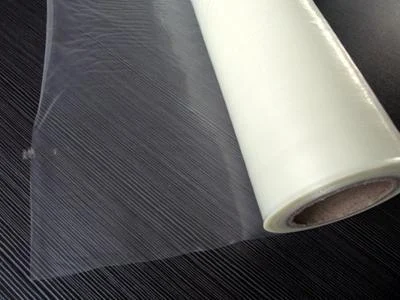
Polyvinyl alcohol (PVA) water soluble film has become an essential material for a wide range of applications, including packaging, pharmaceuticals, agriculture, and household products. Its ability to dissolve completely in water while maintaining strength during handling makes it ideal for single-dose products, controlled-release formulations, and eco-friendly packaging solutions. However, the very property that makes PVA water soluble film so versatile also makes it sensitive to environmental conditions. Proper storage, handling, and adherence to best practices are critical to ensure optimal performance and longevity of the film.
Suppliers of PVA Water Soluble Film provide detailed guidelines to protect the material from moisture, heat, and contamination. For instance, PVA Water Soluble Film highlights how careful storage and handling practices can maintain the film’s solubility, tensile strength, and overall integrity. Following these recommendations helps businesses reduce waste, maintain product quality, and ensure consistent performance across various industrial and consumer applications.
Ideal Storage Conditions
The most important factor in storing PVA water soluble film is controlling the environment. The film is highly sensitive to humidity, which can cause premature adhesion, softening, or partial dissolution. To prevent this, PVA film should always be stored in sealed, airtight packaging. Using desiccants or moisture-absorbing agents in storage areas is recommended to maintain low humidity levels.
Temperature control is equally critical. PVA film performs best when stored in a cool, dry environment, ideally between 15°C and 25°C (59°F to 77°F). High temperatures can reduce tensile strength and affect solubility, while freezing temperatures may make the film brittle, increasing the risk of cracking during handling. Maintaining stable temperature and humidity ensures that the film retains its mechanical and functional properties.
Proper Handling Techniques
Proper handling is essential to preserve the integrity of PVA water soluble film. Operators should always use clean, dry hands or gloves to avoid transferring moisture, oils, or dirt onto the film. Avoid bending, folding, or creasing the material, as this can create weak points that compromise solubility and strength.
When cutting or processing PVA film, ensure that knives and equipment are dry and free of residue. Even minor abrasions or scratches can impact performance, particularly in sensitive applications such as single-dose detergents, pharmaceuticals, or agricultural products. For large rolls or sheets, use support equipment during transport to prevent deformation or tearing.
Packaging and Protection
PVA water soluble film should be stored in its original manufacturer packaging whenever possible. This packaging is designed to protect the film from moisture, dust, and physical damage. If repackaging is necessary, use airtight containers or vacuum-sealed bags to preserve product quality. Clear labeling of batch numbers, storage dates, and specifications ensures proper inventory management and helps prevent accidental use of compromised stock.
Additionally, films should be protected from direct sunlight and ultraviolet (UV) exposure, which can degrade the polymer and reduce mechanical strength. Store PVA film in shaded or indoor areas and away from heating units, water sources, or high-humidity zones.
Preventing Contamination
Contamination is a major concern when handling PVA water soluble film. Dust, dirt, chemicals, or moisture from nearby products can adhere to the film, causing clumping or affecting solubility. Always store films in clean, controlled environments, away from chemicals, food ingredients, or reactive substances.
Implementing a first-in, first-out (FIFO) system ensures that older stock is used first, reducing the risk of material degradation over time. Regular inspections of stored films are recommended to detect signs of moisture absorption, brittleness, discoloration, or sticking between sheets. Any compromised stock should be segregated immediately to prevent contamination of other rolls or sheets.
Transportation Considerations
Transporting PVA water soluble film requires similar precautions as storage. The film should be shipped in sealed, moisture-resistant packaging to prevent exposure to humidity. Avoid stacking or bending rolls and ensure that vehicles maintain stable temperature conditions. Clear instructions to logistics personnel on proper handling and storage can prevent accidental damage during transit.
Shelf Life and Long-Term Storage
PVA water soluble film has a finite shelf life, usually ranging from six months to one year depending on formulation and storage conditions. Proper storage practices, including controlled temperature, low humidity, and protective packaging, can maximize usability within this timeframe. Using the film within its recommended shelf life ensures consistent performance, solubility, and mechanical strength.
Conclusion
Proper storage, handling, and adherence to best practices are essential to maintain the performance and longevity of PVA water soluble film. Controlling environmental conditions, using protective packaging, handling the film carefully, preventing contamination, and following transportation guidelines all contribute to optimal performance. By implementing these practices, businesses can minimize waste, maintain product quality, and fully utilize the advantages of PVA water soluble film in packaging, pharmaceuticals, agriculture, and industrial applications. Following these guidelines ensures consistent solubility, mechanical strength, and eco-friendly performance, making PVA film a reliable and sustainable choice for modern industries.