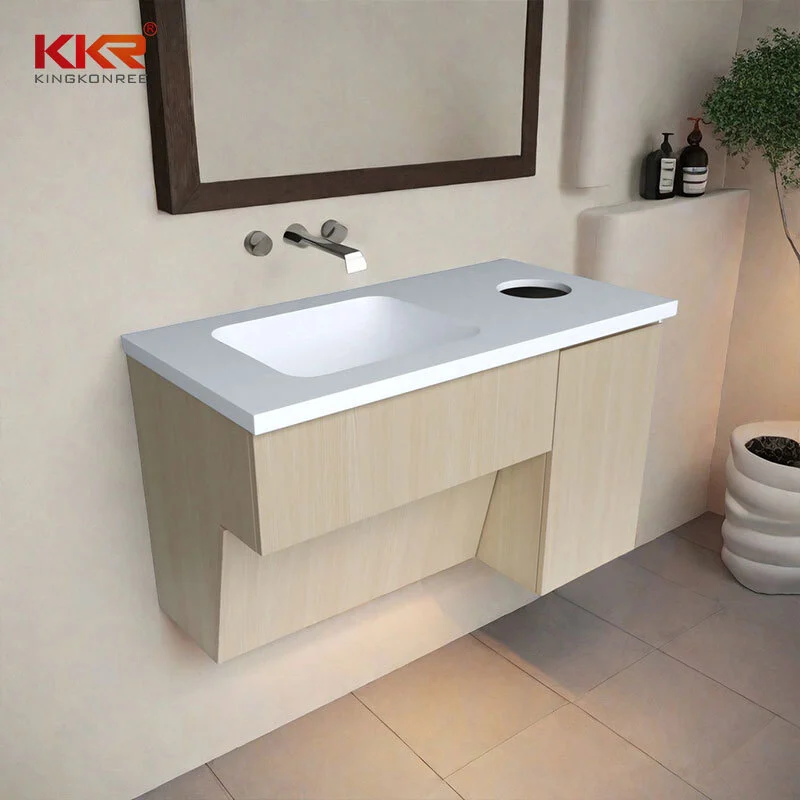
Bathroom design is continuously evolving as architecture moves toward smarter, more sustainable, and more inclusive environments. ADA-compliant sinks are becoming essential components in modern construction projects, supporting accessibility while maintaining aesthetic and technological advancement. KingKonree is actively developing sink designs that reflect future trends in material science, user comfort, and environmental responsibility. These innovations help facilities prepare for long-term usability requirements while maintaining contemporary design standards.
Smart Technology Integration
One of the most important future trends in bathroom design is smart technology integration. Modern restroom systems are moving toward automation, efficiency, and user-friendly operation. Sensor-controlled faucets, automatic water regulation, and touchless activation systems are becoming standard expectations in high-end facilities.
In many upcoming architectural projects, ADA Sinks from KingKonree are expected to feature enhanced compatibility with digital water management systems. These systems allow facility operators to monitor water usage, control flow rates, and improve hygiene performance. Smart sensor technology reduces physical contact, which is especially beneficial in healthcare centers, airports, and public transportation facilities.
Future designs may also include IoT-based monitoring tools that track maintenance requirements and detect plumbing irregularities. Such innovations help prevent equipment failure and reduce operational downtime. Smart restroom infrastructure is expected to become a standard feature in modern commercial buildings.
Sustainable Material Development
Environmental sustainability is becoming a primary consideration in construction and interior design. KingKonree is investing in advanced material technology that supports eco-friendly manufacturing processes. Solid surface composite materials are gaining popularity because they are recyclable, durable, and resistant to bacterial growth.
Future ADA sink designs will likely focus on reducing carbon footprint during production. Energy-efficient fabrication methods and waste-reduction manufacturing techniques are expected to become more widespread. Sustainable materials help extend product lifespan while lowering environmental impact.
Non-porous surface technology is also expected to improve hygiene performance. These surfaces prevent moisture penetration and bacterial contamination, which supports public health standards in commercial restroom environments.
Minimalist and Space-Optimized Structures
Urban development is driving demand for compact and efficient bathroom layouts. Future ADA sink designs will likely focus on space optimization without sacrificing accessibility. Wall-mounted structures and integrated counter systems will continue to gain popularity in residential apartments and commercial buildings.
Minimalist design philosophy emphasizes clean lines, reduced structural complexity, and functional simplicity. Small bathroom spaces benefit from streamlined sink profiles that maintain wheelchair accessibility while maximizing usable floor area.
KingKonree is expected to expand its compact ADA sink models to support modern urban construction trends. These models will likely feature thinner basin profiles, hidden plumbing systems, and modular installation options.
Advanced Hygiene Protection Systems
Public health awareness has increased demand for enhanced hygiene protection in restroom facilities. Future ADA sink designs may incorporate antimicrobial surface coatings and self-cleaning technologies. These innovations help reduce microbial contamination and improve sanitation quality.
Touchless faucet operation will remain a dominant feature in future accessibility fixtures. Automatic water activation minimizes contact transmission risks and supports safer public restroom usage. Facilities such as hospitals, schools, and transportation centers will benefit significantly from these developments.
Customization and Architectural Compatibility
Future building projects require flexible interior design solutions. Bathroom fixtures must adapt to various architectural styles while maintaining accessibility standards. KingKonree ADA sinks are expected to offer more customization options, including color variations, basin shapes, and surface textures.
Designers may integrate ADA sinks into broader interior themes, allowing restroom fixtures to complement wall materials, lighting systems, and flooring structures. This architectural harmony improves overall visual quality while maintaining functional accessibility.
Water Conservation Innovations
Water resource management will continue to influence future sink design. Advanced flow control mechanisms and intelligent water distribution systems are expected to become standard. Low-flow aerators, automatic shutoff technology, and pressure regulation systems will help reduce water consumption.
Environmental regulations and sustainability certifications will likely drive adoption of water-saving ADA fixtures in commercial infrastructure. These technologies help organizations reduce operational costs while supporting environmental responsibility initiatives.
Enhanced Structural Safety Features
Safety engineering will remain a core priority in future ADA sink development. Rounded basin edges, anti-slip surface materials, and reinforced mounting systems are expected to become more advanced. Structural improvements will help reduce injury risk in high-traffic restroom environments.
Future KingKonree designs may also incorporate impact-resistant composite layers that maintain sink integrity under heavy usage conditions. Durability improvements will extend product service life and reduce maintenance expenses.
Conclusion
Future design trends in ADA bathroom fixtures emphasize smart technology, sustainability, minimalism, hygiene safety, and customization flexibility. KingKonree continues to innovate by developing ADA sinks that align with modern architectural and environmental requirements.
Integrating ADA sinks from KingKonree into future construction projects ensures accessibility, durability, and technological readiness. These design advancements support inclusive restroom environments while preparing facilities for evolving user expectations and sustainability standards.