
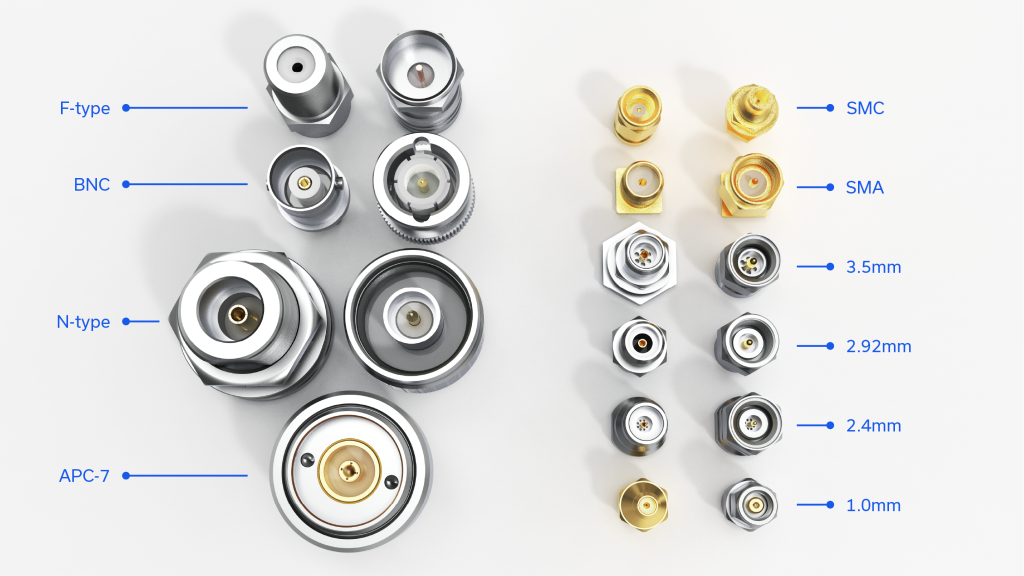
RF (Radio Frequency) connectors are essential components in modern electronic and communication systems, responsible for maintaining signal integrity, reducing loss, and ensuring reliable operation. From telecommunications and aerospace to automotive and industrial applications, these connectors must meet strict technical requirements to ensure optimal performance. Industry standards play a crucial role in defining these requirements, providing benchmarks for quality, safety, and interoperability.
The Best RF Connectors comply with recognized industry standards to guarantee consistent performance, durability, and reliability across diverse applications. For organizations seeking reliable solutions that adhere to global standards, a trusted Best RF Connectors provider offers products designed to meet or exceed these specifications. By following established standards, manufacturers and suppliers ensure that connectors maintain signal integrity and compatibility with a wide range of systems.
International Standards
Several international standards define the performance and design criteria for RF connectors. Organizations such as the International Electrotechnical Commission (IEC) and the International Organization for Standardization (ISO) establish specifications that cover electrical, mechanical, and environmental requirements. For example, IEC standards define parameters for impedance, insertion loss, and return loss, ensuring connectors operate efficiently at specified frequency ranges. ISO certifications verify that manufacturing processes meet rigorous quality management requirements, supporting consistent product performance.
Military and Aerospace Standards
RF connectors used in military and aerospace applications must adhere to even stricter standards due to extreme environmental conditions and critical performance requirements. MIL-DTL-38999, MIL-C-26482, and MIL-STD-348 are widely recognized military standards that define specifications for connector design, mechanical durability, and electrical performance. These standards ensure that connectors can withstand vibration, shock, temperature extremes, and exposure to moisture or corrosive substances, making them suitable for high-stakes applications like aircraft communication systems, radar, and satellite links.
Frequency and Impedance Standards
High-frequency applications require connectors with precise impedance matching to prevent signal reflections and maintain efficient power transfer. Standards define connector impedance, typically 50 or 75 ohms, and specify allowable tolerances to ensure compatibility across devices and systems. In addition, standards for insertion loss, return loss, and voltage standing wave ratio (VSWR) help maintain signal integrity at high frequencies. RF connectors that meet these criteria are essential for applications such as 5G networks, broadband communication, and high-speed test equipment.
Mechanical and Environmental Standards
Mechanical and environmental standards govern the durability and resilience of RF connectors. Connectors must endure repeated mating cycles, vibration, mechanical stress, and temperature fluctuations. Environmental standards address exposure to moisture, dust, chemicals, and extreme temperatures. Compliance with these standards ensures connectors provide long-term reliability in industrial, automotive, aerospace, and outdoor applications. Features such as corrosion-resistant plating, sealed housings, and ruggedized designs often reflect adherence to these stringent mechanical and environmental requirements.
Quality Management Standards
ISO 9001 and similar quality management standards are critical for ensuring consistent manufacturing and performance of RF connectors. Suppliers that implement these standards maintain documented processes for design, production, inspection, and testing. Quality management systems provide traceability, enabling customers to verify product origin, material specifications, and test results. Connectors manufactured under certified quality management systems reduce the risk of defects, performance failures, and compatibility issues, offering peace of mind for critical applications.
Industry Compliance and Certification
Certification programs and independent testing help verify that RF connectors meet relevant standards. Certified connectors undergo rigorous testing for electrical performance, mechanical durability, and environmental resilience. Compliance with these certifications indicates that the connectors have been evaluated by third-party laboratories and meet established benchmarks. Many suppliers provide detailed datasheets, test reports, and compliance documentation to assist engineers in selecting connectors that meet application-specific requirements.
Conclusion
Industry standards are essential for defining the performance, durability, and reliability of the best RF connectors. International, military, frequency, mechanical, environmental, and quality management standards provide benchmarks that guide the design, manufacturing, and testing of connectors. Adherence to these standards ensures consistent signal transmission, system compatibility, and long-term operational reliability.
Partnering with a reputable supplier of Best RF Connectors that adheres to these industry standards guarantees access to high-performance, certified components suitable for demanding applications. By understanding and prioritizing these standards, engineers and businesses can make informed decisions, maintain system integrity, and ensure the success of electronic and communication projects across various industries.