
In recent years, artificial intelligence has transformed the way digital content is created and edited. Among the most revolutionary applications is the AI Image Editor, a tool that leverages AI technology to simplify image creation, enhancement, and manipulation. Unlike traditional graphic design software, which often requires specialized skills and manual effort, AI image editors automate many of these processes, making professional-quality visuals accessible to both beginners and experienced creators.
An AI Image Editor uses machine learning algorithms and computer vision to analyze, generate, and enhance images. In the middle of this evolving digital landscape, platforms like AI Image Editor integrate AI-driven tools that allow users to generate visuals from text prompts, remove backgrounds, adjust colors, and apply artistic effects with minimal effort. These platforms not only save time but also open new creative possibilities, enabling users to experiment with styles and designs that would have been difficult to achieve manually.
Core Functions of an AI Image Editor
At its core, an AI Image Editor performs several essential functions. These include image generation, automatic enhancement, object recognition, and style transfer. Image generation allows users to create visuals from scratch using text prompts, eliminating the need for stock photos or manual illustration. Automatic enhancement tools adjust brightness, contrast, color balance, and sharpness to produce polished images quickly. Object recognition identifies subjects within a photo, enabling selective edits, background removal, or targeted enhancements. Style transfer applies artistic effects or filters, transforming ordinary images into unique designs.
How AI Analyzes and Processes Images
AI Image Editors rely on machine learning models trained on large datasets of images. These models learn patterns, textures, colors, and compositions, allowing the AI to understand and predict how an image should look based on user input. When a user uploads an image or provides a prompt, the AI analyzes the content, detects objects, and applies adjustments or generates visuals according to the desired style. This process involves complex algorithms, but the user experience is straightforward, often requiring only a few clicks to achieve professional results.
Text-to-Image Generation
One of the most popular features of AI Image Editors is text-to-image generation. Users describe what they want to create in words, and the AI translates the description into a visual representation. This functionality is especially valuable for content creators, marketers, and designers who need unique images quickly. It also allows for creative experimentation, as users can modify prompts or explore multiple variations until they achieve the desired output.
Automatic Image Enhancement
Another important capability is automatic image enhancement. The AI adjusts exposure, contrast, saturation, and sharpness to improve the overall quality of an image. Unlike traditional editing, which requires manual adjustments, AI enhancement evaluates the image as a whole and applies corrections intelligently. This ensures that enhancements look natural and consistent, saving users significant time and effort.
Background Removal and Object Editing
AI Image Editors also excel at background removal and object editing. By recognizing subjects and separating them from their surroundings, the AI allows users to replace, blur, or modify backgrounds effortlessly. Additionally, individual objects can be adjusted for color, brightness, or detail without affecting the rest of the image. This level of precision is particularly useful for marketing visuals, e-commerce photos, and creative projects.
Style Transfer and Creative Effects
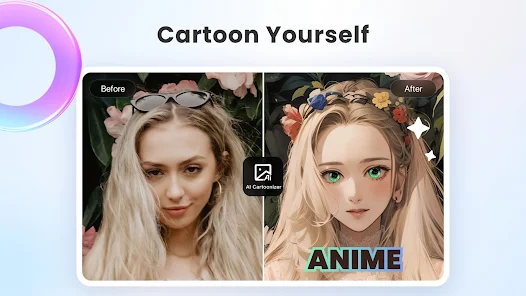
Many AI Image Editors offer style transfer and creative effects. Users can apply artistic filters, such as watercolor, sketch, or digital painting, transforming ordinary images into unique artworks. This feature combines creativity with automation, allowing users to experiment with multiple visual styles without extensive design experience. The AI ensures that effects are applied seamlessly, maintaining the integrity and quality of the original image.
Batch Processing for Efficiency
For projects that involve multiple images, batch processing is a crucial feature. AI Image Editors can apply enhancements, filters, or adjustments to several images simultaneously, ensuring consistency across a project and saving valuable time. This is especially beneficial for social media campaigns, marketing materials, and online stores that require large volumes of visuals.
User Accessibility and Learning
One of the key advantages of AI Image Editors is accessibility. Unlike traditional design software, which may require extensive training, AI-powered tools are designed to be intuitive and user-friendly. Beginners can produce professional visuals with minimal guidance, while experienced users can leverage advanced features to enhance their workflow. This accessibility broadens the range of users who can engage in digital design and content creation.
Conclusion
An AI Image Editor is a transformative tool in modern digital design, combining machine learning, computer vision, and automation to streamline image creation and enhancement. By offering text-to-image generation, automatic enhancement, background removal, style transfer, and batch processing, these platforms empower users to create professional-quality visuals quickly and efficiently. Whether for marketing, social media, educational content, or personal projects, AI Image Editors make creative processes faster, more accessible, and more innovative than ever before.