
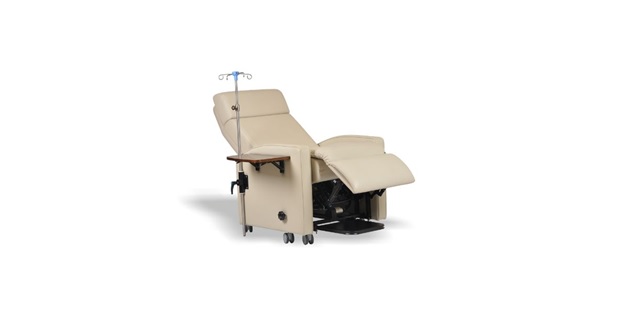
Blood donation is not only a life‑saving procedure for recipients, it is also a thoughtful experience for the donor. Creating a safe, comfortable, and efficient environment for donors is essential to encourage repeat donations and positive community health outcomes. One of the key elements in this environment is the Blood Donation Chairs used during the collection process. These chairs are far more than conventional seating; they are carefully engineered medical furnishings that enhance comfort, support clinical tasks, and uphold hygiene and safety standards in healthcare settings.
What Are Chairs for Blood Donation?
At the most basic level, these are specialized chairs designed for individuals donating blood. They provide seating during the venipuncture and collection process, which usually lasts around 10 to 20 minutes depending on the procedure. Unlike standard waiting‑room chairs, these units are engineered for extended comfort, ergonomic support, and clinical accessibility.
Many clinics and blood banks also make use of a donation chair for portable blood, a lightweight and easily movable version meant for mobile drives or locations where space is limited but reliable comfortable seating is still required.
Why Comfortable Seating Matters
Donating blood can be uncomfortable for some individuals. A participant may feel anxious, nervous, or physically strained during the procedure. Proper seating plays a role in reducing these challenges. Comfortable, supportive seating:
- Helps donors maintain a stable posture throughout the blood draw.
- Can prevent dizziness or fainting that sometimes occurs during or after donation.
- Provides peace of mind by reducing physical discomfort, encouraging future donations.
In fact, the psychological impact of comfort shouldn’t be understated. A donor who feels secure and at ease is more likely to recommend donation to others or return in the future.
How These Chairs Support Donor Safety
Safety is a cornerstone of donor care. The right chair can make the process safer in several ways:
- Stable Positioning: Many chairs are built with solid frames and secure bases to prevent slips or tilting, even when a donor shifts or adjusts themselves.
- Adjustability: Features such as adjustable backrests, armrests, and leg supports help position the donor correctly. This is critical during blood collection, especially if a donor experiences discomfort or adverse reactions.
- Emergency Readiness: Certain models allow rapid repositioning into reclining or Trendelenburg positions (where feet are elevated above the head) to help restore blood flow if someone feels faint.
These safety features complement professional protocols and help caregivers manage unforeseen donor reactions easily and efficiently.
The Ergonomics Behind Donor Comfort
A well‑designed chair takes into account human anatomy to reduce fatigue and strain. Features often found in quality models include:
- Adjustable Arm Supports — These help stabilize the donor’s arm during needle insertion, aiding efficient vein access.
- Reclining Backrests — Allow donors to adjust their position to where they feel most at ease.
- Cushioned Seating — Medical‑grade padding supports prolonged periods of sitting without discomfort.
In mobile or community drives, a portable blood donation chair may have a foldable or lighter frame to make transport easier while still preserving ergonomic function.
Portable Chairs: Flexibility for Mobile Clinics and Drives
Mobile blood donation campaigns bring the life‑saving act of donation to workplaces, community centers, and outdoor events. For these setups, the donation chair for portable blood becomes crucial. Its benefits include:
- Easy Transport — Lightweight design means teams can set up quickly.
- Simple Maintenance — Smooth, wipeable surfaces often make cleaning between donors efficient.
- Versatility — Can be used in temporary centers without dedicated infrastructure.
Together, these qualities make portable units perfect for outreach initiatives, disaster relief response, and community donor programs.
Enhancing Clinical Efficiency
Beyond the donor’s personal comfort, these chairs also help clinicians and phlebotomists do their job effectively. Proper seating allows:
- Unobstructed access to donor arms for quick and safe venipuncture.
- Time savings in adjusting donor position, which speeds up throughput.
- Improved workflow because chairs with wheels or casters can be easily moved within the collection area.
Operational efficiency is especially important in high‑volume centers where a steady flow of donors must be handled daily.
Hygiene and Durability in Healthcare Settings
Because donation areas deal with biological materials, hygiene is a key factor in chair design. Medical‑grade upholstery is common, offering resistance to disinfectants and easy cleaning.
Moreover, robust construction using materials like stainless steel and reinforced frames ensures long‑term durability, even under heavy clinical use.
How to Choose the Right Chair
Selecting the appropriate chair for a facility involves considering several aspects:
- Purpose: Decide if the unit is needed for fixed donation centers, mobile drives, or both.
- Adjustability: Chairs with more positions and controls provide better donor support and ease of use.
- Material Quality: Investing in medical‑grade materials increases longevity and hygiene compliance.
- Mobility Needs: For outreach programs, a portable design may take priority over more complex stationary models.
These considerations help ensure that healthcare organizations provide both excellent comfort and clinical functionality.
The Broader Impact on Donor Care
Blood donation should always feel as safe and supportive as possible for donors. Thoughtful seating solutions contribute to the overall experience by reducing anxiety, supporting physical comfort, and enabling healthcare professionals to work efficiently. As comfort and safety improve, so does the likelihood of donors returning regularly, which ultimately strengthens blood supply systems and contributes to better public health outcomes.
Conclusion
For donor comfort, safety, and clinical efficiency Blood Donation Chairs are ergonomic support, safety features, and the flexibility of portable units, they enhance the donation experience while aiding healthcare professionals in smooth operations. Thoughtful design and high-quality materials help facilities provide safe, comfortable, and efficient care, encouraging repeat donations and supporting sustainable, donor-friendly blood collection programs across hospitals, clinics, and mobile blood drives.
For healthcare facilities seeking quality and reliability, Esthetica Medical Furniture offers expertly engineered clinical seating solutions, including advanced donation and treatment chairs, designed to enhance comfort, safety, and workflow in healthcare settings. With durable materials, ergonomic design, and customizable features, Esthetica supports hospitals, blood centers, and mobile units in delivering superior patient and donor care. Contact Esthetica for tailored equipment that meets your clinical needs.