
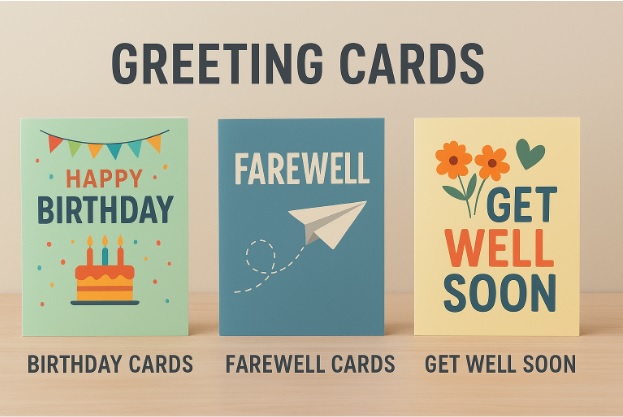
In today’s fast-paced corporate world, change is the only constant. People move on to better opportunities, retire after years of service, or take breaks to pursue personal passions. While transitions are natural, saying goodbye to a valued teammate is never easy. Traditionally, farewells involved a frantic search for a physical card at a local stationary shop, followed by the awkward task of hiding it under desks so the recipient wouldn’t see it before the big reveal.
However, as the workplace evolves, so do our traditions. Enter free group leaving cards—the modern, digital, and seamless way to send off a colleague with style and emotion.
Benefits of Using Free Group Leaving Cards
1. Unlimited Space for Creativity
One of the biggest frustrations with physical cards is the limited “white space.” By the time the manager and a few senior team members sign, the juniors are often left squeezing their names into tiny corners. With free group leaving cards, space is infinite. Users can write long messages, share anecdotes, and even upload multiple images without worrying about clutter.
2. Multimedia Integration
A digital card isn’t just about text. You can embed:
- GIFs: Add a touch of humor with funny office-themed animations.
- Photos: Upload pictures from team lunches, workshops, or office parties.
- Videos: Some platforms allow short video clips, making the farewell feel much more personal and “live.”
3. Inclusivity for Remote Teams
With the rise of remote work, teams are more dispersed than ever. A digital card ensures that no one is left out of the farewell process. A single link shared via Slack, Microsoft Teams, or Email allows the entire global department to participate simultaneously.
4. Eco-Friendly and Cost-Effective
Sustainability is a core value for many modern companies. Switching to digital cards reduces paper waste and eliminates the carbon footprint associated with transporting physical cards. Moreover, opting for free group leaving cards allows teams to save money that can be better spent on a meaningful farewell gift or a team lunch.
How to Organize a Memorable Digital Farewell
Creating a digital card is easy, but making it memorable requires a bit of effort. Here is a step-by-step guide to doing it right:
Step 1: Choose the Right Platform
Look for a service that offers “free group leaving cards” with a user-friendly interface. Ensure it allows for multiple contributors and supports different media types.
Step 2: Set a Deadline
Don’t wait until the last hour. Start the card at least 3 to 4 days before the colleague’s last day. This gives everyone enough time to think of a thoughtful message rather than just writing “Good Luck.”
Step 3: Personalize the Theme
Pick a background or theme that matches the colleague’s personality. If they love coffee, choose a cafe-themed layout. If they are known for their sense of humor, keep the vibe light and colorful.
Step 4: Add a “Surprise” Element
Encourage the team to share “inside jokes” or “lessons learned” from the departing colleague. This makes the card a keepsake that the person will actually want to look back on years later.
What to Write in a Group Leaving Card?
Sometimes, the hardest part is knowing what to say. If you are stuck, consider these categories:
- The Professional Note: “It’s been an absolute pleasure working with you. Your dedication to the [Project Name] was inspiring, and we will miss your expertise.”
- The Humorous Note: “Congratulations on escaping! We’re jealous, but we wish you the best. Don’t forget us when you’re famous!”
- The Sentimental Note: “You weren’t just a colleague; you were a mentor and a friend. The office won’t feel the same without your morning energy.”
The Psychological Impact of a Good Farewell
A proper send-off isn’t just for the person leaving; it’s for the team staying behind. When a company celebrates a departing employee, it sends a message that people are valued for more than just their output. It fosters a culture of appreciation and maintains high morale.
Receiving a card filled with dozens of positive messages provides the departing employee with a sense of closure and accomplishment. In a digital format, they can save this card as a PDF or a link and revisit it whenever they need a boost of confidence in their new role.
Conclusion
The way we work is changing, and our social rituals must keep pace. Free group leaving cards offer a perfect blend of convenience, creativity, and connection. They bridge the gap between remote workers and provide a lasting, clutter-free memento for those moving on to new chapters.