
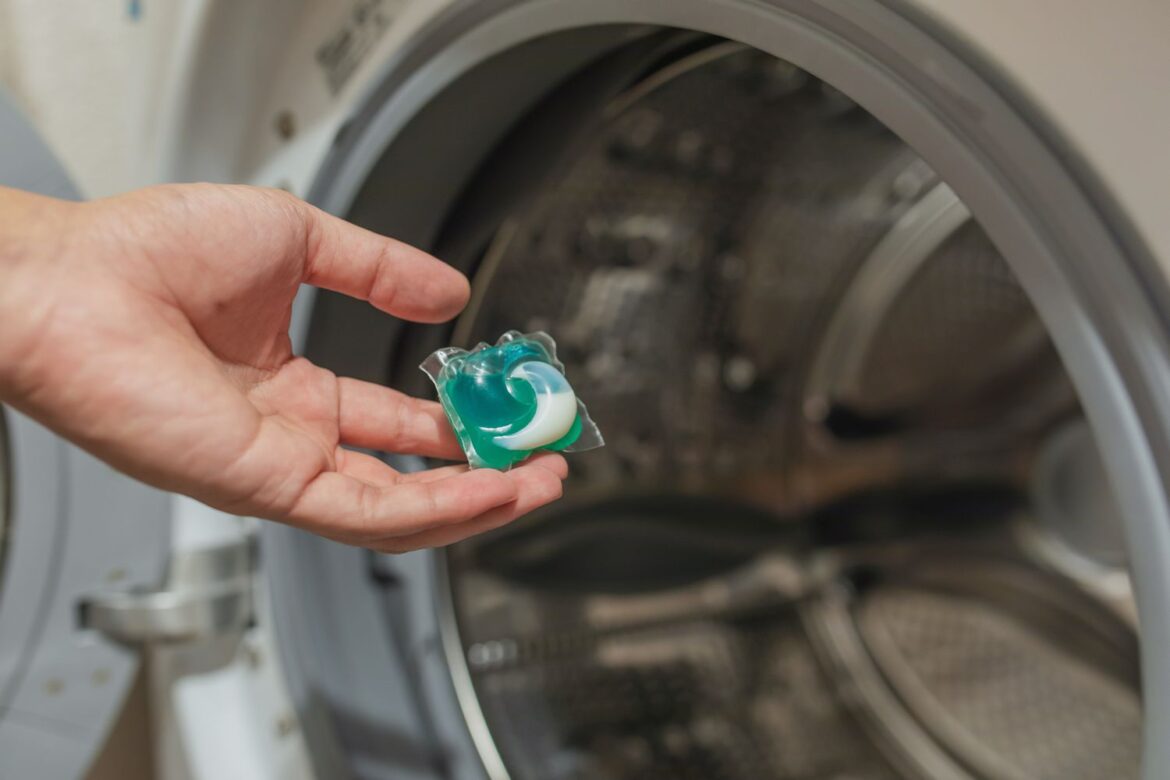
The production of laundry pods involves handling chemicals, water-soluble films, and automated machinery, which makes safety and compliance a top priority for manufacturers. Ensuring that all processes meet regulatory standards not only protects workers but also maintains product quality, reduces legal risks, and builds consumer trust. Implementing proper safety measures and adhering to industry compliance guidelines is essential when operating a laundry pods manufacturing facility.
Importance of Safety in Laundry Pods Manufacturing
Laundry pods contain concentrated detergents, enzymes, and other cleaning agents that can be hazardous if mishandled. Exposure to these chemicals can cause skin irritation, eye damage, or respiratory issues. Additionally, automated machines operate at high speeds and involve moving parts, heat sealing, and cutting mechanisms, which can pose physical risks to operators.
A modern Laundry Pods Manufacturing Machine is designed with safety features such as emergency stop buttons, protective covers, and sensors that prevent accidents. However, equipment safety alone is not enough. Proper training, personal protective equipment (PPE), and adherence to standard operating procedures are essential to maintain a safe working environment.
Regulatory Compliance Standards
Compliance in laundry pod manufacturing involves meeting local, national, and international standards for chemical handling, workplace safety, and product labeling. Regulatory bodies, such as the Occupational Safety and Health Administration (OSHA) in the United States and the European Chemicals Agency (ECHA) in Europe, provide guidelines for safe handling of chemical products and automated equipment.
Manufacturers must also comply with regulations regarding water-soluble films and detergent formulations to ensure that pods dissolve properly, are safe for consumers, and do not pose environmental hazards. Compliance with these standards protects the company from fines, recalls, and potential lawsuits while enhancing brand credibility.
Safety Features in Modern Machines
Modern laundry pods manufacturing machines are equipped with several safety features to protect both operators and the production process:
- Emergency Stop Systems: Easily accessible emergency stop buttons allow operators to halt production immediately in case of equipment malfunction or safety incidents.
- Protective Guards and Covers: Moving parts, sealing units, and cutting mechanisms are enclosed to prevent accidental contact.
- Sensors and Alarms: Sensors detect misalignment of films, incorrect dosing, or mechanical failures, triggering alarms and stopping production to prevent accidents or product defects.
- Temperature Control: Automated temperature regulation ensures that heat-sealing units do not overheat, reducing fire risk and preventing damage to pods or films.
- Interlocked Access Panels: Many machines feature interlocked panels that stop operation when opened, preventing accidental access to moving components.
Worker Training and PPE
Even with advanced machine safety features, human factors remain critical. Operators should receive comprehensive training on machine operation, chemical handling, emergency procedures, and maintenance protocols.
Personal protective equipment, such as gloves, safety goggles, masks, and protective clothing, should be mandatory to prevent exposure to detergents and other chemicals. Regular safety drills, refresher courses, and clear signage in production areas contribute to a culture of safety and compliance.
Quality Control and Product Safety
Safety and compliance extend beyond the production floor to the finished product. Laundry pods must meet specific quality standards to ensure that they are safe for consumers and effective in cleaning. Consistent dosing, proper sealing, and uniform pod size are critical factors.
Quality control measures, such as automated weight checks, seal integrity inspections, and dissolution testing, help manufacturers identify and remove defective pods before they reach the market. By integrating these measures into production workflows, companies can ensure that all products comply with regulatory and safety requirements.
Environmental Considerations
Safety and compliance also involve environmental responsibility. Manufacturers should ensure that water-soluble films, detergents, and chemical residues do not harm the environment. Using biodegradable films, eco-friendly detergent formulations, and proper waste management systems reduces the environmental impact of production and aligns with global sustainability standards.
Conclusion
Safety and compliance are fundamental aspects of laundry pods manufacturing. Protecting workers, adhering to regulatory guidelines, and ensuring product safety require a combination of advanced machinery, proper training, personal protective equipment, and quality control measures.
Investing in a reliable Laundry Pods Manufacturing Machine equipped with safety features, automated monitoring systems, and protective mechanisms allows manufacturers to maintain high operational standards. By prioritizing safety and compliance, businesses can safeguard employees, deliver high-quality products, and build consumer trust in the competitive laundry pod market.