
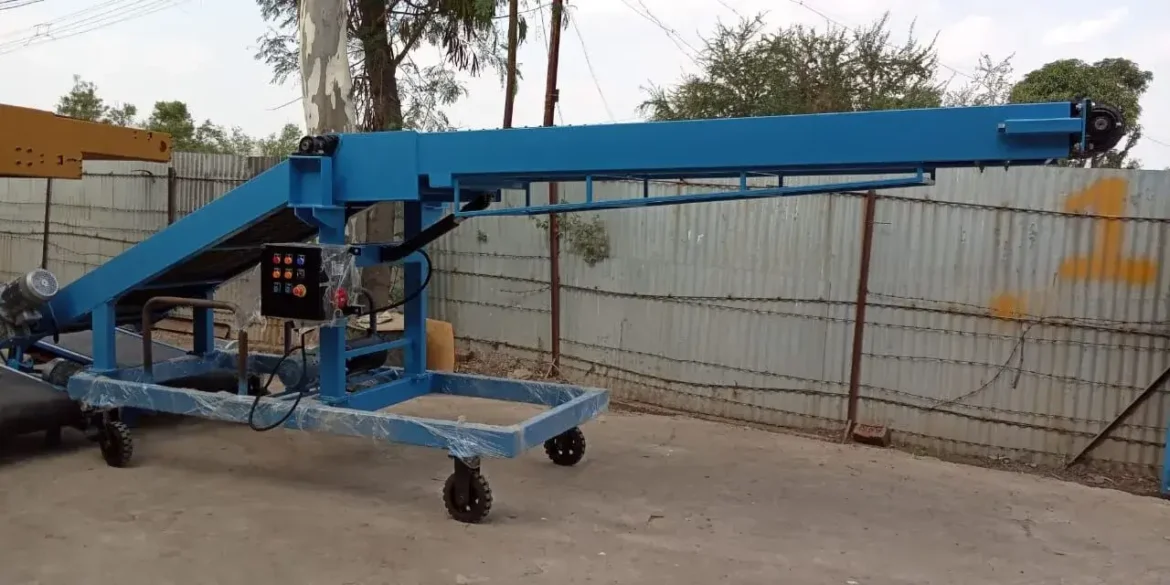
Truck loading conveyors have long been a cornerstone of warehouse efficiency, allowing goods to move quickly and safely from storage areas to transport vehicles. As supply chains become more complex and e-commerce continues to grow, conveyor technology is evolving to meet the demands of faster, safer, and more sustainable operations. The future of truck loading conveyors promises innovations that will enhance productivity, reduce operational costs, and integrate seamlessly with automated warehouse systems.
A Truck Loading Conveyor is no longer just a mechanical device for moving goods; it has become a central element in the automation and optimization of logistics operations. Advances in smart technology, energy efficiency, and safety features are transforming conveyors into intelligent systems capable of adapting to dynamic warehouse environments. Understanding these future trends can help businesses prepare for a more productive and technologically advanced logistics landscape.
Integration with Warehouse Automation
One of the most significant trends in truck loading conveyor technology is integration with warehouse automation systems. Modern warehouses increasingly rely on automated storage and retrieval systems (AS/RS), autonomous mobile robots (AMRs), and automated guided vehicles (AGVs) to streamline material handling. Truck loading conveyors are being designed to communicate with these systems, enabling a fully synchronized workflow from storage to truck loading.
This integration allows for automated sorting, sequencing, and routing of goods directly onto the conveyor for loading. It reduces human intervention, minimizes errors, and increases overall throughput, enabling warehouses to handle higher volumes with greater efficiency.
Smart Sensors and IoT Connectivity
The use of smart sensors and Internet of Things (IoT) connectivity is another emerging trend. Sensors embedded in conveyors can monitor speed, load weight, and equipment performance in real-time. Data collected from these sensors can be analyzed to predict maintenance needs, optimize conveyor operation, and prevent downtime.
IoT-enabled conveyors can communicate with other warehouse systems, providing managers with insights into operational efficiency and energy consumption. This predictive approach to maintenance and performance management ensures that conveyors remain operational and energy-efficient, reducing costs and enhancing safety.
Energy Efficiency and Sustainability
Sustainability is becoming a top priority in logistics and material handling. Future truck loading conveyors are being designed with energy efficiency in mind. Features such as variable speed drives, regenerative braking, and energy-efficient motors help reduce power consumption. Additionally, intelligent control systems can adjust conveyor operation based on real-time demand, minimizing idle energy use.
As businesses aim to meet sustainability goals and reduce their carbon footprint, energy-efficient conveyors not only lower operational costs but also contribute to environmentally responsible operations, aligning logistics practices with global standards for sustainability.
Enhanced Safety Features
Safety has always been a critical concern in warehouse operations, and future conveyor technology continues to address this need. Advanced safety features include automated emergency stop systems, proximity sensors, and ergonomic design improvements. These innovations reduce the risk of accidents related to manual handling and ensure a safer working environment for employees.
Conveyors of the future will also include predictive safety analytics, allowing systems to detect potential hazards before accidents occur. By combining automation with proactive safety monitoring, warehouses can create safer, more reliable loading processes.
Modular and Flexible Designs
Another emerging trend is the development of modular and flexible conveyor systems. Warehouses often need to adapt quickly to changing product types, truck sizes, or operational layouts. Modular conveyor designs allow sections to be added, removed, or reconfigured easily, providing flexibility without extensive downtime or reconstruction.
Adjustable height and telescopic features are also becoming more common, allowing conveyors to accommodate different truck configurations efficiently. This adaptability ensures that conveyors can keep up with evolving logistics requirements and maximize operational efficiency.
AI and Machine Learning Integration
Artificial intelligence (AI) and machine learning are increasingly being applied to truck loading conveyors. AI algorithms can optimize the sequence and speed of loading based on real-time data such as package size, destination, and truck type. Machine learning models can identify patterns in warehouse operations and recommend improvements to workflow, reducing delays and improving accuracy.
Over time, these intelligent systems learn from historical data to continuously refine operations, enhancing efficiency, and reducing human errors in truck loading.
Conclusion
The future of truck loading conveyor technology is being shaped by automation, smart sensors, energy efficiency, safety enhancements, modular designs, and AI integration. These innovations are transforming conveyors from simple material handling tools into intelligent systems that improve productivity, reduce costs, and support sustainable and safe warehouse operations. As warehouses and logistics centers prepare for increasing demand and more complex supply chains, investing in advanced truck loading conveyors will be essential for maintaining competitiveness and operational excellence.