
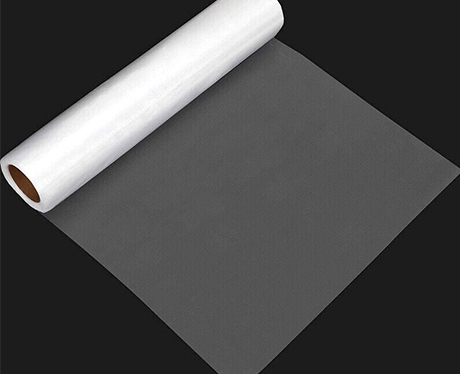
Water soluble film has become an essential material in industries ranging from detergents and chemicals to pharmaceuticals and agriculture due to its ability to dissolve completely in water. While its unique properties offer numerous advantages, including convenience, safety, and environmental benefits, proper storage and handling are critical to maintain its integrity and ensure consistent performance. Improper conditions can compromise the film’s mechanical strength, solubility, and overall functionality, potentially leading to product loss or safety risks.
At the core of water soluble film technology is polyvinyl alcohol (PVA), a polymer that provides both strength and water solubility. To enhance performance, films are often formulated with plasticizers, stabilizers, and surfactants. High-quality manufacturers, such as water soluble film, provide guidelines and tailored products for specific industrial applications. Following recommended storage and handling practices ensures that the film maintains its protective properties, dissolves predictably when required, and delivers the intended benefits in various applications.
Ideal Storage Conditions
Proper storage is essential for maintaining the integrity of water soluble films. One of the primary factors to consider is humidity. PVA-based films are hygroscopic, meaning they can absorb moisture from the air. Excessive humidity can cause films to become sticky, lose mechanical strength, or partially dissolve before use. Therefore, films should be stored in a dry environment with controlled relative humidity, typically between 30% and 50%, depending on the manufacturer’s specifications.
Temperature also plays a crucial role in storage. Water soluble films should be kept in a cool, stable environment, away from direct sunlight or sources of heat. High temperatures can accelerate degradation or alter the film’s mechanical properties, while freezing conditions may make films brittle and prone to cracking. Ideally, storage temperatures should be maintained between 15°C and 25°C for optimal performance.
Packaging and Protection
Water soluble films are sensitive to environmental conditions, making appropriate packaging essential. Films should be kept in their original sealed packaging until use to protect them from moisture, dust, and contaminants. Secondary packaging, such as airtight containers or desiccant packs, can provide additional protection in environments with variable humidity.
Handling large rolls or sheets of water soluble film requires care to prevent physical damage, such as tears, folds, or punctures. Damaged sections may dissolve prematurely or compromise the integrity of the product being packaged. By ensuring that films are stored on flat surfaces or properly supported spools, industries can minimize handling damage and extend the usable life of the film.
Handling Best Practices
When handling water soluble films, workers should follow procedures that prevent accidental contact with water or high-humidity surfaces. Gloves and clean, dry tools are recommended to avoid contamination, which could interfere with dissolution properties. Films should not be left exposed to open water or steam, as even minor contact can initiate premature dissolution.
During production or packaging, care should be taken to maintain controlled environmental conditions. Industrial facilities often use climate-controlled rooms or enclosures to prevent fluctuations in temperature and humidity. For automated systems, ensuring that feed mechanisms and rollers are clean and dry helps maintain smooth operation and prevents jams or damage to the film.
Transportation Considerations
Transporting water soluble films requires attention to packaging integrity and environmental conditions. Rolls or sheets should be securely wrapped and supported to prevent movement, crushing, or punctures during transit. Humidity and temperature control are critical for long-distance shipping or storage in varying climates. Avoiding exposure to rain, condensation, or high temperatures ensures that the film arrives in optimal condition, ready for use in industrial, agricultural, or household applications.
Shelf Life and Monitoring
Water soluble films have a defined shelf life, typically ranging from 12 to 24 months, depending on the specific formulation and storage conditions. It is important to monitor expiration dates and follow the manufacturer’s guidelines to avoid using degraded films that may compromise dissolution, mechanical strength, or safety. Regular inspection of stock for signs of moisture absorption, discoloration, or physical damage helps maintain quality control and prevent operational issues.
Safety and Environmental Considerations
While water soluble films enhance safety by reducing direct contact with chemicals or detergents, proper handling is still necessary to prevent accidental dissolution during storage. Spills or exposure to water should be managed promptly to avoid creating slippery surfaces or unintended chemical release. By following best practices for storage and handling, industries can ensure safe working environments while maintaining the film’s intended environmental benefits.
Conclusion
Proper storage and handling of water soluble films are essential to preserve their performance, reliability, and safety. Maintaining controlled humidity and temperature, using protective packaging, handling films carefully, and monitoring shelf life all contribute to optimal results. By adhering to best practices provided by manufacturers such as water soluble film providers, industries can maximize the benefits of this versatile material, ensuring efficient, safe, and environmentally responsible use across a wide range of applications.