
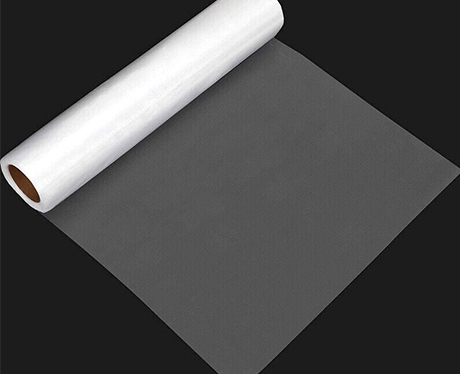
Water soluble films have gained significant importance across industries such as detergents, pharmaceuticals, agriculture, and industrial chemicals. Their ability to dissolve completely in water, leaving minimal residues, has made them a popular alternative to conventional plastic packaging. Despite their advantages, producing high-quality water soluble films presents a range of challenges. Manufacturers must address technical, operational, regulatory, and market-related issues to maintain efficiency, product consistency, and competitiveness.
Water soluble film manufacturers face unique challenges that require innovation, careful planning, and strategic investments. From raw material management to quality assurance and regulatory compliance, these challenges influence production costs, scalability, and market success. Understanding these obstacles provides insight into the complexities of the industry and highlights why manufacturers continually strive to optimize their processes.
Raw Material Variability and Availability
The primary raw material for water soluble films is polyvinyl alcohol (PVA), which must meet strict purity, molecular weight, and hydrolysis specifications. Variability in raw material quality can lead to inconsistent film properties, such as uneven thickness, weak tensile strength, or irregular solubility. Manufacturers must carefully monitor suppliers, conduct quality inspections, and maintain multiple sourcing options to mitigate supply chain risks.
Additionally, fluctuations in global raw material availability and pricing can affect production costs. Ensuring a reliable and cost-effective supply of PVA and other additives requires proactive procurement strategies, long-term contracts, and contingency planning to maintain continuous production.
Technical Challenges in Film Production
Water soluble film production involves precise control over polymer solution preparation, casting or extrusion, drying, and cutting. Small deviations in temperature, viscosity, or humidity can significantly affect the final film properties. For example, excessive moisture during drying may result in brittle films, while insufficient drying can reduce shelf life and solubility performance.
Advanced equipment and automation help minimize errors, but technical expertise is essential for troubleshooting and maintaining optimal production conditions. Continuous process monitoring, regular equipment calibration, and operator training are critical to achieving consistent quality.
Quality Control and Consistency
Maintaining uniformity and performance across production batches is a constant challenge. Water soluble films must meet strict specifications for thickness, tensile strength, dissolution rate, and clarity. Variability in these properties can lead to defective products, customer complaints, or regulatory issues.
Manufacturers implement rigorous quality control systems, including inline inspection, sample testing, and statistical process control. Despite these measures, achieving high consistency is challenging due to the sensitive nature of the polymers and the precise processing conditions required for film formation.
Regulatory Compliance
Water soluble films are used in industries that are heavily regulated, including pharmaceuticals, food, and consumer products. Compliance with local and international regulations regarding safety, chemical composition, labeling, and environmental impact adds complexity to the production process. Manufacturers must navigate overlapping requirements from agencies such as the FDA, REACH, and ISO standards, which can vary by region and application.
Ensuring regulatory compliance requires extensive documentation, testing, and certification processes. Staying updated with changing regulations and incorporating them into manufacturing practices is a continuous challenge for producers seeking to supply multiple markets.
Environmental and Sustainability Considerations
Although water soluble films are environmentally friendly compared to conventional plastics, manufacturing processes still have environmental impacts, including energy consumption, water usage, and chemical waste. Implementing sustainable practices, such as energy-efficient drying, water recycling, and biodegradable additives, can increase production complexity and cost.
Balancing sustainability goals with operational efficiency requires careful planning, investment in new technologies, and ongoing monitoring to ensure that environmental targets are met without compromising product quality.
Market and Demand Fluctuations
Water soluble film manufacturers must also navigate market-driven challenges. Consumer demand can fluctuate due to seasonal trends, regulatory changes, or economic conditions. Industrial and agricultural clients may have variable purchasing patterns based on production cycles or raw material availability.
Producers must maintain flexible production capabilities, manage inventory effectively, and forecast demand accurately to avoid overproduction or shortages. These market dynamics add an additional layer of complexity to capacity planning and resource management.
Competition and Technological Advancement
The growing popularity of water soluble films has attracted new entrants and increased competition. Manufacturers must continually invest in research and development to improve film performance, reduce costs, and differentiate their products. Staying ahead of technological advancements in polymer science, automation, and sustainability is crucial for maintaining competitiveness in a crowded market.
Skilled Workforce Requirements
Water soluble film production demands skilled technicians and engineers who understand polymer behavior, process controls, and quality standards. Recruiting, training, and retaining qualified personnel can be challenging, particularly in regions where specialized expertise is limited. Workforce shortages or inadequate training can affect production efficiency, product consistency, and safety.
Conclusion
Water soluble film manufacturers face a multifaceted set of challenges spanning technical, operational, regulatory, environmental, and market domains. Raw material variability, process precision, quality control, compliance requirements, sustainability goals, demand fluctuations, competitive pressures, and workforce expertise all impact production efficiency and product reliability. Overcoming these challenges requires innovation, investment in advanced technologies, rigorous quality systems, and strategic planning. By addressing these obstacles, water soluble film manufacturers can continue to deliver high-performance, environmentally friendly solutions across industries while maintaining growth and market relevance.