
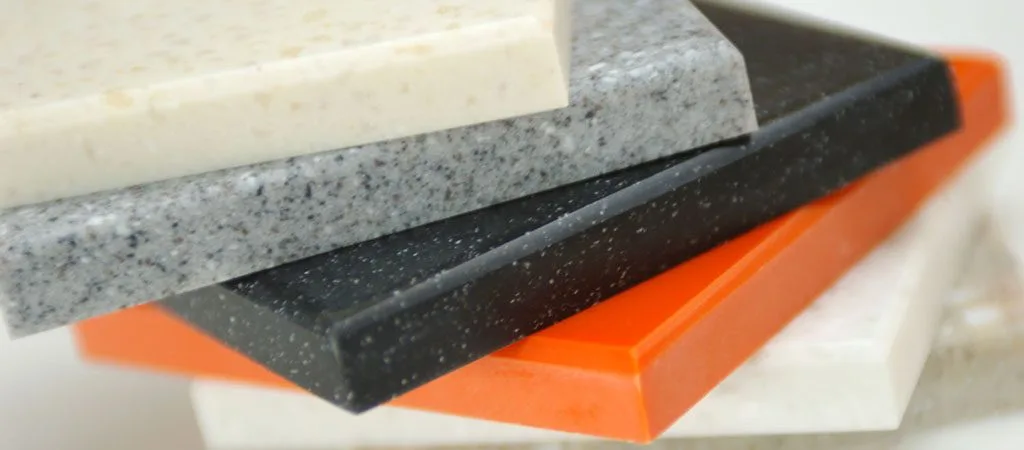
Quality assurance plays a crucial role in the solid surface manufacturing industry. Solid surface materials are widely used in kitchens, bathrooms, hospitals, hotels, retail stores, and commercial interiors. Because these materials must perform reliably in both residential and high-traffic commercial environments, manufacturers must follow strict quality control procedures throughout the entire production process. From raw material selection to final inspection, quality assurance ensures that the finished products meet performance, safety, and durability standards.
Manufacturers that prioritize quality assurance are better positioned to deliver consistent and dependable products to the global market. Strong quality management systems help ensure that materials meet customer expectations and industry requirements. A professional Solid Surface Manufacturer typically implements comprehensive testing procedures and production monitoring systems to maintain high standards. Companies such as the Solid Surface Manufacturer demonstrate how modern manufacturers integrate quality control into every stage of production to deliver reliable solid surface solutions for architectural and interior design projects.
Importance of Raw Material Inspection
The foundation of high-quality solid surface products begins with the careful selection and inspection of raw materials. The main components used in solid surface manufacturing include natural mineral fillers such as aluminum trihydrate, acrylic or polyester resins, pigments, and performance additives. Each of these materials must meet specific quality requirements before being used in production.
Manufacturers conduct detailed inspections to ensure that raw materials meet chemical composition standards, purity levels, and consistency requirements. Any variation in these materials can affect the final product’s strength, appearance, and durability. By maintaining strict control over raw material quality, manufacturers reduce the risk of production defects and ensure consistent performance across different product batches.
Production Process Monitoring
Quality assurance does not stop with raw material inspection. During the manufacturing process, continuous monitoring is required to ensure that production parameters remain within acceptable limits. Solid surface manufacturing involves several critical steps, including mixing, casting, curing, cutting, and finishing.
Each stage must be carefully controlled to prevent defects such as uneven textures, color inconsistencies, or structural weaknesses. Automated equipment and digital monitoring systems are often used to maintain consistent production conditions. These technologies allow manufacturers to track temperature, pressure, mixing ratios, and curing times throughout the process.
By maintaining precise control over these factors, manufacturers can produce solid surface materials that meet strict industry performance standards.
Product Performance Testing
Once the manufacturing process is complete, finished products undergo various performance tests to ensure they meet required specifications. These tests evaluate key characteristics such as strength, durability, and resistance to environmental factors.
Common performance tests include scratch resistance testing, impact resistance testing, and heat resistance evaluations. These tests help determine how well the material can withstand everyday use in kitchens, bathrooms, and commercial environments. Stain resistance tests are also conducted to ensure that the surface remains easy to clean and maintain.
Another important test focuses on moisture resistance. Because solid surface materials are often used in wet environments, manufacturers must confirm that the material remains non-porous and does not absorb liquids.
Surface Inspection and Finishing Quality
The visual appearance of solid surface materials is an important aspect of quality assurance. After fabrication and finishing processes are completed, manufacturers conduct detailed surface inspections to identify any imperfections.
Surface inspection may involve checking for scratches, bubbles, color variations, or irregular textures. Advanced lighting systems and inspection tools are often used to detect even minor defects that may not be visible under normal conditions.
High-quality finishing processes ensure that the material achieves a smooth and consistent surface. This final inspection stage helps guarantee that the product meets both aesthetic and functional expectations before it reaches customers.
Compliance with International Standards
Many solid surface manufacturers follow internationally recognized quality management systems to ensure product reliability. Standards such as ISO quality certifications help manufacturers establish consistent procedures for production, inspection, and documentation.
Compliance with international standards demonstrates that a manufacturer operates according to established best practices. These certifications often require regular audits, process evaluations, and continuous improvement initiatives. For customers and project managers, working with certified manufacturers provides confidence in the quality and safety of the materials being used.
Continuous Improvement and Research
Quality assurance is not a one-time effort but an ongoing process. Leading manufacturers invest in research and development to continuously improve their materials and manufacturing techniques. Feedback from customers, designers, and construction professionals helps manufacturers identify areas where product performance can be enhanced.
Research efforts may focus on developing stronger materials, improving surface finishes, or introducing new colors and textures. In addition, manufacturers may adopt advanced technologies such as automated production systems and digital quality monitoring tools to further improve consistency and efficiency.
Continuous improvement ensures that manufacturers remain competitive while delivering products that meet evolving market expectations.
Conclusion
Quality assurance standards are essential for maintaining the reliability and performance of solid surface materials. From raw material inspection and production monitoring to performance testing and final surface inspection, every stage of the manufacturing process plays a role in ensuring product quality.
Manufacturers that implement comprehensive quality control systems are better able to produce durable, attractive, and dependable materials for modern construction and interior design projects. As demand for solid surface materials continues to grow, strong quality assurance practices will remain a key factor in building trust and delivering long-lasting solutions for residential and commercial applications.