
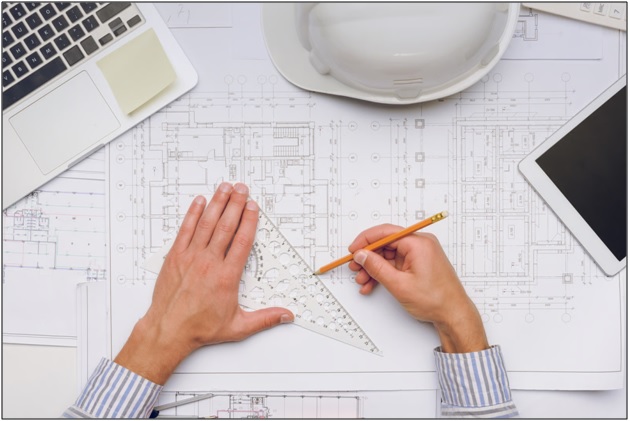
Civil engineers need more than theoretical knowledge to excel in professional projects. Enrolling in training for civil engineering programs provides structured exposure to hands-on workflows, applied design principles, and problem-solving scenarios. This integration of theory and practice equips learners with the skills necessary to handle complex projects efficiently and confidently.
Gaining Practical Insights Through Project-Based Learning
Applied project modules immerse learners in realistic scenarios, allowing them to understand how materials, loads, and environmental factors interact in civil structures. Engineers develop critical thinking, professional judgment, and a practical understanding of structural behavior.
- Application of Design Codes
Participants apply national and international standards to simulated projects. This ensures that safety, load considerations, and compliance regulations are properly implemented while developing real-world competence. - Hands-On Software Utilization
Learners gain experience using industry-standard modeling and analysis tools. By simulating structures, analyzing stress distributions, and optimizing design elements, engineers enhance precision and efficiency in real projects. - Understanding Load Behavior
Modules illustrate how structures respond to gravity, wind, seismic, and dynamic forces. Engineers learn to assess displacement, internal forces, and stability requirements, which strengthens design and analytical capabilities. - Integration of Structural Components
Learners examine the interactions between foundations, beams, slabs, and columns. Understanding these interdependencies improves coordination across structural elements and ensures coherent, safe project designs.
Structured Curriculum for Progressive Skill Development
A systematic learning framework supports gradual skill development, from foundational modeling to advanced analysis. Structured approaches enable learners to reinforce core concepts while increasing technical competency.
- Stepwise Modeling Techniques
Participants start with basic layouts and progress to complex multi-story or irregular structures. Each stage builds on prior knowledge, ensuring mastery of analytical and design principles. - Error Identification and Troubleshooting
Engineers are exposed to common design errors and inconsistencies. Learning to troubleshoot and refine models fosters critical thinking and reduces mistakes in professional work. - Professional Documentation Skills
Generating design reports, calculations, and annotated drawings ensures clarity and adherence to industry standards. Documentation practice improves communication and workflow efficiency. - Time and Workflow Management
Project-based exercises simulate realistic timelines, teaching task prioritization and coordination. Engineers develop the discipline and efficiency needed for professional project execution.
Leveraging Civil Engineering Training Centre Resources
Modern civil engineering requires proficiency in analytical and design software. Programs that include civil engineering training centre resources allow learners to engage in realistic project simulations, ensuring hands-on practice with professional tools.
- Simulation and Analysis
Engineers conduct simulations that replicate real-world structural conditions, identifying weak points and optimizing designs. Exposure to industry-standard tools improves accuracy and project outcomes. - Visualization of Structural Behavior
Interactive modules illustrate stress distribution, load paths, and displacement patterns. Visual understanding reinforces analytical thinking and informed design decisions. - Scenario-Based Design Challenges
Modules introduce complex challenges, such as irregular geometries or varying material properties. Engineers learn adaptive strategies to maintain safety, performance, and cost efficiency. - Enhanced Decision-Making
Exposure to diverse project scenarios cultivates the ability to make timely, informed decisions. Engineers balance functionality, safety, and cost effectively through repeated practical exercises.
Applying Skills Through Training for Civil Engineering
Practical training ensures engineers can confidently transition from theoretical knowledge to applied solutions. Participating in training for civil engineering programs equips learners with essential design skills, preparing them to meet real-world challenges efficiently.
- Hands-On Project Application
Engineers work on simulated projects reflecting actual site conditions. This practice builds competence and confidence in executing complex structural tasks. - Collaboration and Communication Skills
Project-based exercises involve team coordination, enhancing communication, and collaborative problem-solving. Engineers gain experience in integrating multiple design elements effectively. - Portfolio Development
Completed modules serve as evidence of applied expertise. A tangible portfolio demonstrates practical skills, increasing employability, and professional credibility. - Confidence in Technical Discussions
Engineers can explain design rationale clearly and present results with authority. Practical experience strengthens communication with clients, colleagues, and stakeholders.
Enhancing Analytical Thinking and Design Optimization
Applied modules improve critical thinking and the ability to optimize designs. Engineers learn to refine structural systems for efficiency, safety, and sustainability while addressing complex project constraints.
- Evaluation of Irregular Structures
Learners analyze asymmetrical layouts, torsional effects, and variable stiffness. Understanding these factors prepares engineers for real-world structural challenges. - Material Assessment and Selection
Participants test concrete, steel, and composite materials under simulated loads. Engineers make informed decisions balancing durability, cost, and performance. - Environmental Load Simulation
Modules simulate wind, seismic, and temperature effects to design resilient structures. Engineers learn to integrate environmental considerations into functional designs. - Design Optimization
Engineers refine models for material efficiency without compromising safety. Practical optimization fosters innovation, sustainability, and cost-effective solutions.
Preparing for Long-Term Professional Growth
Applied learning programs foster continuous development, leadership preparedness, and career advancement. Engineers develop problem-solving, technical expertise, and confidence required for complex project management.
- Adaptation to Industry Standards
Engineers stay updated with evolving codes, standards, and software. Continuous exposure ensures relevance and proficiency in professional practice. - Leadership and Responsibility
Simulated project management builds decision-making and oversight skills. Engineers gain experience coordinating tasks and guiding design workflows. - Integration of Theory and Practice
Applied modules reinforce academic knowledge through hands-on problem solving. Engineers develop a deep understanding of structural behavior and design principles. - Commitment to Lifelong Learning
Exposure to real projects encourages continuous improvement. Engineers adopt a proactive approach to updating skills and staying competitive in the industry.
Conclusion
Applied project modules transform civil engineering education by combining theoretical knowledge with practical expertise. Engineers gain insight into structural behavior, applied design, and collaborative workflows, which significantly improve employability and readiness for professional challenges.
For individuals seeking a comprehensive learning experience, an industry-aligned platform like Civilera provides structured programs, including advanced engineering design courses. Civilera blends hands-on projects, expert mentorship, and interactive simulations to ensure engineers develop competence, adaptability, and confidence. By integrating real-world practice with academic instruction, Civilera empowers learners to excel in civil engineering projects and achieve sustainable career growth.