
Maintaining good posture is essential for overall health and daily comfort, yet many people struggle with it due to modern lifestyles. Long hours of sitting at desks, frequent use of digital devices, and limited physical activity often lead to slouching or improper spinal alignment. Over time, poor posture can cause muscle strain, fatigue, and persistent back discomfort. Because of this, many individuals look for supportive solutions that help them maintain proper alignment while going about their daily activities.
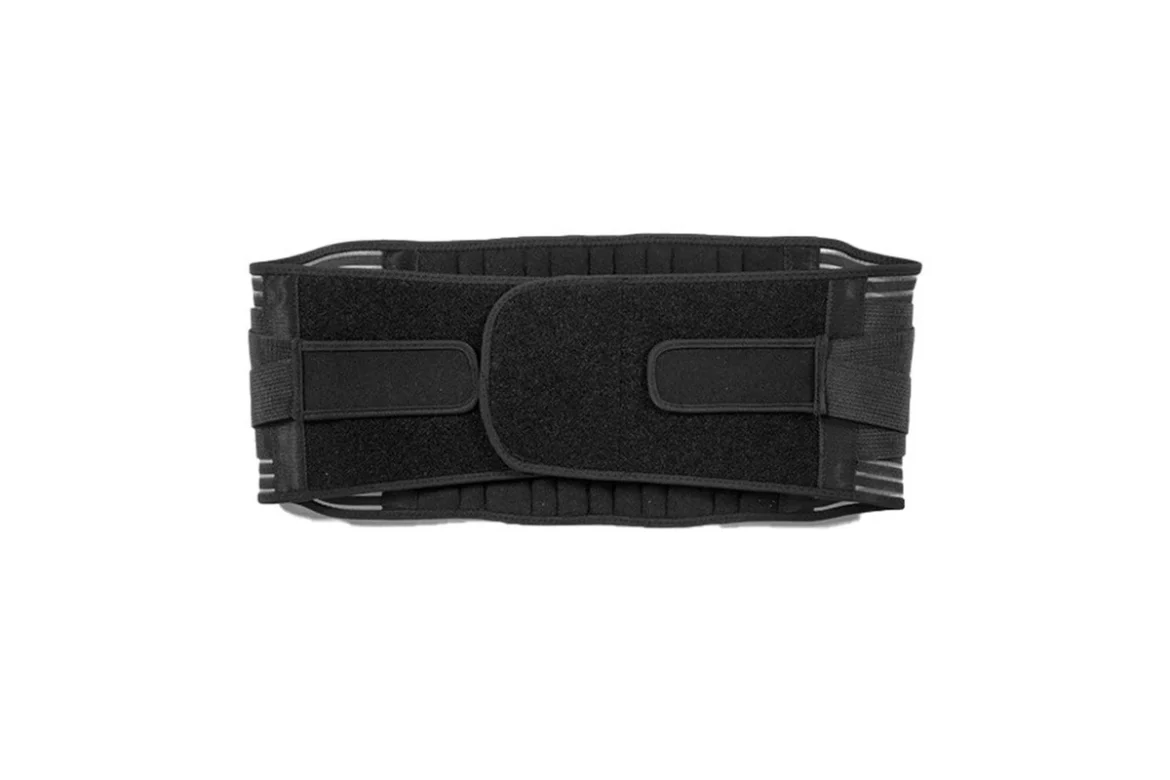
One increasingly popular option is the use of supportive braces designed to stabilize the lower back and encourage better posture. A Neoprene Back Support is specifically designed to provide gentle compression and flexibility, helping the spine stay in a more natural position throughout the day. Unlike rigid braces that can feel restrictive, neoprene supports allow natural movement while still offering the stability needed to reduce strain on the back muscles.
Understanding Posture and Why It Matters
Posture refers to the way the body is positioned while sitting, standing, or moving. Proper posture keeps the spine aligned and distributes body weight evenly across muscles and joints. When posture is correct, the body functions more efficiently and experiences less stress during daily activities.
However, when posture is poor, certain muscles become overworked while others weaken. This imbalance can lead to discomfort in the lower back, shoulders, and neck. Over time, poor posture may also reduce flexibility and increase the risk of injury. Improving posture is therefore not just about appearance; it is about supporting long-term physical health and comfort.
Supportive braces, particularly those made from flexible materials like neoprene, can play a helpful role in reminding the body to maintain proper alignment. They provide external support that helps guide the spine into a healthier position during daily tasks.
How Neoprene Material Enhances Support
Neoprene is a synthetic rubber material widely used in medical and sports supports because of its unique properties. It is flexible, durable, and capable of providing consistent compression without restricting movement. These qualities make it especially suitable for back supports intended for everyday use.
One important benefit of neoprene is its ability to retain warmth. When worn around the lower back, the material helps maintain body heat in the muscles. Warm muscles are generally more relaxed and less prone to stiffness, which can make movement more comfortable during long periods of sitting or standing.
Another advantage is its adaptability. Neoprene stretches to fit the natural contours of the body, allowing the support to remain comfortable throughout the day. This flexibility ensures that the brace supports the back without causing pressure points or discomfort.
Improving Posture With Consistent Support
One of the primary ways a neoprene back support improves posture is by encouraging proper spinal alignment. When the support is worn correctly, it gently holds the lower back in a stable position. This helps prevent slouching and promotes a more upright posture.
For individuals who spend many hours sitting, such as office workers or students, maintaining good posture can be challenging. A back support acts as a physical reminder to sit straighter and keep the spine aligned. Over time, this can help develop better posture habits even when the support is not being worn.
Additionally, the compression provided by neoprene supports stabilizes the muscles around the spine. This reduces unnecessary strain on the lower back and allows the muscles to function more efficiently. As a result, people often experience less fatigue during long periods of work or activity.
Enhancing Daily Comfort During Activities
Beyond posture improvement, neoprene back supports can significantly enhance daily comfort. Many everyday tasks, such as lifting objects, standing for extended periods, or performing repetitive movements, place stress on the lower back. Wearing a supportive brace can help distribute pressure more evenly and reduce discomfort.
People who experience occasional back fatigue often notice that a supportive brace makes daily activities easier to manage. The gentle compression improves circulation in the lower back area, which may help reduce stiffness and muscle tightness. This can be especially beneficial for individuals who transition between sitting and standing frequently during the day.
Athletes and physically active individuals may also benefit from additional support. During exercise or training, the lower back plays a key role in stability and balance. A neoprene support can provide extra reinforcement, helping reduce the risk of strain while maintaining freedom of movement.
Who Can Benefit From Using a Neoprene Back Support
A wide range of people can benefit from using a neoprene back support. Office workers who sit for long periods often develop posture-related discomfort, and a support brace can help maintain alignment throughout the workday. Similarly, people who work in physically demanding jobs may find that extra back support improves comfort during lifting or extended standing.
Students, drivers, and individuals who spend long hours commuting may also experience posture issues. Using a supportive brace in these situations can help reduce strain on the spine and promote better sitting habits. Additionally, individuals recovering from mild back strain may find that a back support provides helpful stability during daily activities.
Tips for Getting the Best Results
To get the most benefit from a neoprene back support, it is important to choose the right size and fit. A properly fitted brace should feel snug but not overly tight. Adjustable straps are useful because they allow the user to customize the level of compression and support.
It is also helpful to combine the use of a back support with healthy habits. Maintaining regular movement, stretching, and strengthening exercises for the core and back muscles can improve posture over time. A supportive brace works best when used as part of a broader approach to back care and posture improvement.
Conclusion
Neoprene back supports provide a practical way to improve posture and increase daily comfort. Their flexible design, combined with gentle compression and warmth, helps stabilize the lower back while allowing natural movement. By encouraging proper spinal alignment and reducing muscle strain, these supports can make everyday activities more comfortable and manageable. When used correctly and combined with healthy posture habits, a neoprene back support can play an important role in maintaining long-term back health.