If your home feels drafty, cold, or noisy, your window glazing might be the culprit. Damaged or outdated glazing can lead to energy inefficiency, uncomfortable living spaces, and even security issues. Learn how to spot the signs that it’s time to replace your windows, and discover simple solutions to improve comfort, efficiency, and security in your home.
Windows are often overlooked when it comes to home maintenance, but they play a crucial role in ensuring your home stays comfortable and energy-efficient. Over time, glazing (the glass and seals within the window) can deteriorate, leading to a host of issues. From rising energy bills to unwanted drafts, damaged glazing can seriously affect your home’s environment.
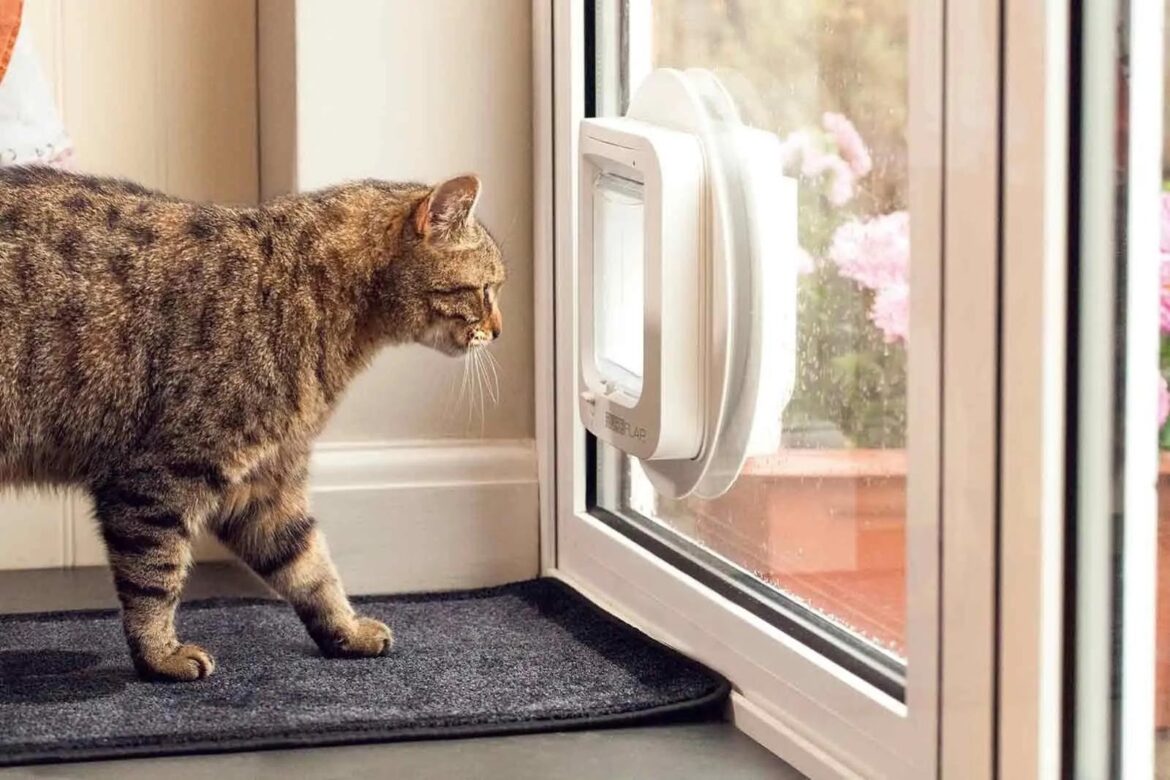
In this article, we’ll cover some common signs that your windows may need new glazing, how to identify potential problems, and practical steps to fix them. Whether you’re looking to improve your home’s energy efficiency or simply ensure better insulation, paying attention to these signs can save you from costly repairs down the line. If you’re also considering adding more functionality to your windows, cat flap installation can be a great option during a glazing replacement, allowing your pet easy access while ensuring the new window glazing maintains its energy efficiency and security.
1. Drafts and Temperature Fluctuations
One of the most obvious signs that your window glazing may need replacing is the presence of drafts. If you feel cold air entering your home near the windows, even when they’re closed, the seals around the glazing could be broken or worn. This can cause your heating or cooling systems to work harder to maintain the desired temperature inside, leading to higher energy bills.
If you notice that certain rooms feel colder or warmer than others, it’s a good indicator that your windows are no longer providing the insulation they once did. Damaged glazing can also result in condensation or frost buildup on the inside of the window, which can further affect your home’s internal temperature.
Tip: To check for drafts, place your hand around the edges of the window or use a candle to see if the flame flickers when held near the window.
2. Excessive Noise from Outside
Another clear sign of failing window glazing is an increase in external noise. Modern double-glazed windows are designed to reduce noise pollution, but over time, the seals can wear down or the glass can become cracked or compromised. If you notice more outside noise entering your home, such as traffic sounds, people talking, or lawnmowers, your windows may no longer be providing the soundproofing they once did.
If this is the case, replacing the glazing could significantly reduce the noise levels inside, restoring a peaceful atmosphere to your living space.
Tip: If external noise is starting to intrude more than before, consider upgrading to acoustic glazing that offers better sound insulation.
3. Visible Cracks or Chips in the Glass
Visible cracks, chips, or scratches on your windows are another sign that your glazing may need replacing. Even small cracks can grow over time, leading to further damage and inefficiency. Cracked windows also compromise the security of your home and may make it more vulnerable to break-ins.
If you notice any damage to the glass, it’s best to replace it sooner rather than later. If left untreated, these imperfections can lead to higher energy costs and reduce the safety of your home.
Tip: Don’t ignore minor cracks. Over time, they can worsen and lead to more expensive repairs or replacements.
4. Condensation Between the Glass Panes
One of the most telling signs that your window glazing is deteriorating is condensation between the glass panes. Modern double-glazed windows contain two panes of glass with a sealed air gap between them. This gap acts as an insulator, keeping your home warm in winter and cool in summer. If the seal around the glazing is damaged, moisture can get trapped inside the window, leading to condensation.
Not only is this a sign of failed glazing, but it also indicates that the window is no longer functioning as efficiently as it should. Moisture trapped between the panes can cause mold and mildew to grow, affecting the indoor air quality.
Tip: If you notice persistent condensation between the panes, it’s time to consider having the glazing replaced.
5. Increased Energy Bills
If your energy bills have been rising without a clear explanation, your window glazing may be the issue. Faulty glazing allows heat to escape from your home during the winter and cool air to leak out during the summer. This means your heating and cooling systems have to work harder to maintain a comfortable indoor temperature, leading to higher energy consumption.
Replacing old or inefficient window glazing can help reduce your energy usage, improve insulation, and lower your utility bills.
Tip: Consider investing in energy-efficient glazing options, such as low-emissivity (Low-E) glass, which improves insulation while allowing natural light to enter your home.
6. Difficulty Opening or Closing Windows
If your windows are difficult to open or close, it could be a sign of a problem with the glazing or window frame. Over time, moisture can cause the wood around the glazing to swell, leading to issues with the window’s functionality. If you’re struggling to operate your windows, it’s important to have them inspected.
In some cases, the glazing or seals may need to be replaced to restore proper function and prevent further damage to the frame or surrounding area.
Tip: Ensure that your windows are easy to operate for both safety and efficiency. If they’re difficult to move, the glazing could be to blame.
7. Damaged or Broken Seals
The seals around your window glazing are essential to keeping air, water, and noise out of your home. If the seals are broken or worn, your window will no longer be as efficient at insulating your home. Signs of seal failure include visible gaps, bubbling, or the inability to achieve a tight seal when the window is closed.
Damaged seals can also lead to issues like water leakage or fogging between the panes. If the seals around your windows are compromised, it’s a sign that the glazing may need to be replaced.
Tip: Regularly inspect your window seals, especially in older windows, to identify signs of wear and tear before they become a bigger problem.
8. Cat Flap Installation: A Functional Upgrade
If you’re considering a practical upgrade for your windows, cat flap installation can be a great addition. Installing a cat flap allows your pet to freely go in and out of your home without the need for constant door opening and closing. If your current window glazing is outdated or damaged, it could be a good time to combine a cat flap installation with a window replacement. This can improve both the functionality and insulation of your windows.
By opting for a high-quality cat flap installation, you not only enhance your pet’s comfort but also ensure that your windows are up to modern standards of energy efficiency.
Conclusion
Your windows are an essential part of your home’s comfort, security, and energy efficiency. If you notice any of the signs outlined in this article—such as drafts, noise intrusion, visible damage, or condensation—it might be time to replace your window glazing. Not only will this improve the comfort of your home, but it can also help you save money on energy bills and reduce maintenance costs in the long run.
Don’t wait until the problem gets worse. If your windows are showing signs of wear and tear, it’s worth consulting a professional to assess whether glazing replacement or a cat flap installation is the right choice for your home.