Introduction to Small Character Inkjet Printers in Manufacturing
In modern manufacturing environments, accurate product coding and marking are essential for traceability, compliance, and operational efficiency. Production lines often run at high speeds and handle a variety of packaging materials, which means the printing system must be reliable and adaptable. This is where small character inkjet printers play a crucial role. These printers are widely used to print dates, batch numbers, serial codes, and barcodes directly onto products or packaging without slowing down production.
Small character inkjet printers are designed for industrial environments where precision and speed are critical. They use advanced inkjet technology to create clear, durable markings on different surfaces such as plastic, metal, glass, and cardboard. Because they operate continuously and can integrate easily into automated systems, they are commonly used across industries like food and beverage, pharmaceuticals, electronics, and consumer goods.
Understanding Your Production Line Requirements
Before selecting a printer, manufacturers must evaluate their specific production needs. Each production line has unique characteristics such as speed, layout, product size, and packaging material. Understanding these factors helps ensure that the chosen printer can meet operational demands without causing bottlenecks or downtime.
Many manufacturers choose solutions like the Small Character Inkjet Printer to handle continuous coding on high-speed production lines while maintaining consistent print quality. When evaluating options, companies should consider printing speed, resolution, substrate compatibility, and the ability to handle variable data such as serial numbers or QR codes. These capabilities ensure that the printer can keep up with production demands and maintain compliance with industry regulations.
Evaluating Printing Technology and Performance
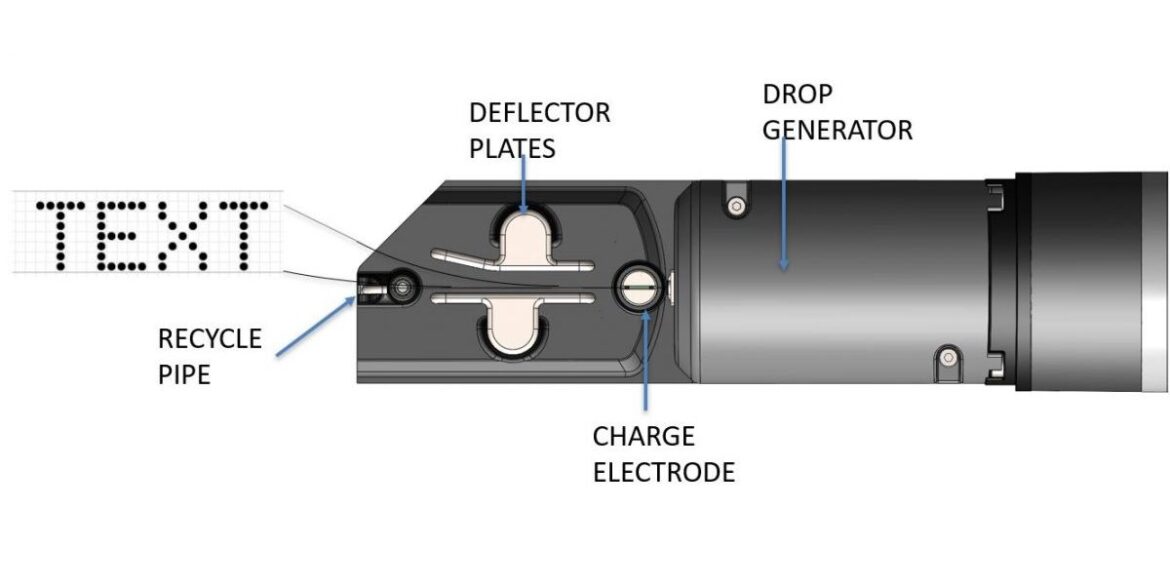
One of the most important aspects of choosing a printer is understanding the technology behind it. Many industrial small character printers use continuous inkjet technology, which allows them to print quickly on moving products without direct contact. This non-contact printing method makes them suitable for uneven or fast-moving surfaces commonly found in manufacturing environments.
Continuous inkjet systems can also handle a wide variety of materials and packaging types. They are capable of producing alphanumeric text, logos, and barcodes while maintaining readability even at high speeds. This level of performance is essential for manufacturers who need consistent coding across multiple product lines. In addition, modern printers provide flexible message control and integration with production systems, which helps streamline operations.
Considering Integration and Space Constraints
Manufacturing facilities often have limited space on production floors, and adding new equipment can be challenging. A key advantage of small character inkjet printers is their compact design, which allows them to be installed easily on existing production lines without major modifications. Their small size makes them suitable for crowded manufacturing environments where space optimization is important.
Another integration factor is compatibility with existing automation systems. Printers that connect with programmable logic controllers (PLCs), manufacturing execution systems (MES), or databases can automatically update codes and reduce manual errors. This integration ensures smooth communication between equipment and helps maintain consistent coding across production batches.
Assessing Reliability and Maintenance Needs
Reliability is a major factor when choosing equipment for manufacturing lines. Production downtime can lead to delays, increased costs, and missed deadlines. Therefore, selecting a printer known for stable performance and minimal maintenance requirements is essential.
Many modern small character inkjet printers are designed to run continuously with minimal interruptions. Features such as easy ink replacement, automated cleaning systems, and durable components help maintain consistent performance over long production cycles. These printers can also reduce operational disruptions by supporting fast changeovers between products or packaging types.
Regular maintenance and proper training for operators can further improve reliability. Manufacturers should consider how easy it is to service the printer and whether spare parts and consumables are readily available.
Ink Compatibility and Print Durability
Ink selection is another important consideration when choosing a printer for manufacturing lines. Different production environments require different types of inks depending on the surface being printed and the conditions the product will face during transportation or storage.
Industrial inkjet printers often support a range of specialized inks designed for various materials and environments. Some inks are formulated to resist moisture, abrasion, or extreme temperatures, ensuring that codes remain readable throughout the product lifecycle. This durability is essential for maintaining traceability and preventing issues such as faded or damaged codes.
Additionally, manufacturers should consider drying time and adhesion performance. Fast-drying inks can prevent smudging on high-speed lines, while strong adhesion ensures the code stays intact even when products are handled frequently.
Balancing Cost and Long-Term Value
While the initial purchase price is important, manufacturers should also consider the total cost of ownership. This includes maintenance expenses, ink consumption, energy usage, and potential downtime costs. A well-chosen printer can reduce long-term operational expenses by improving efficiency and minimizing errors.
High-quality small character inkjet printers often provide long-term value through durability, scalability, and consistent performance. They can support growing production needs and adapt to changes in packaging or product types. Investing in the right system ensures smoother operations and a better return on investment over time.
Conclusion
Choosing the right small character inkjet printer for manufacturing lines requires careful evaluation of production requirements, technology capabilities, integration options, and long-term costs. A well-selected printer can significantly improve coding accuracy, production efficiency, and compliance with industry standards.
By understanding the key factors such as printing speed, substrate compatibility, reliability, and ink performance, manufacturers can make informed decisions that support both current and future production needs. With the right solution in place, businesses can maintain consistent product marking while ensuring smooth and efficient manufacturing operations.