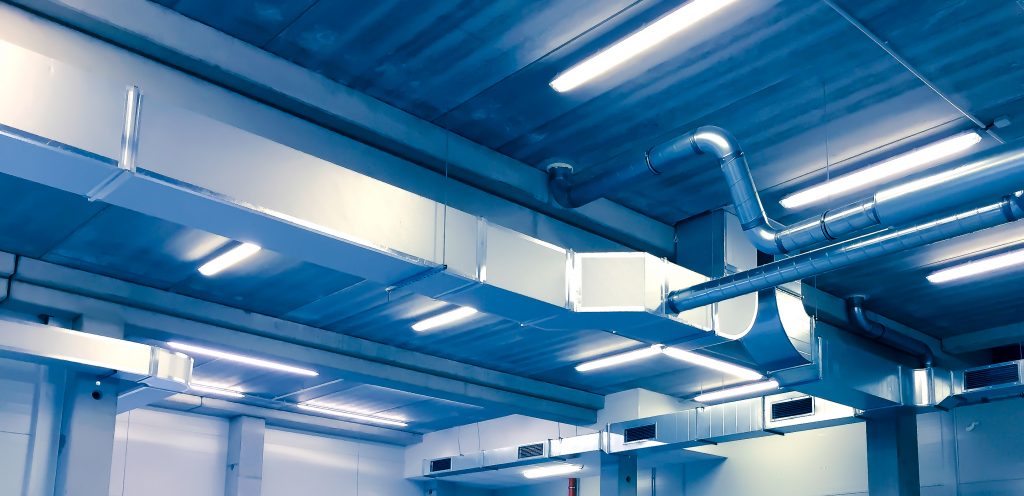
Heating, ventilation, and air conditioning (HVAC) systems are critical for maintaining indoor comfort, air quality, and energy efficiency in residential, commercial, and industrial buildings. One key component that contributes significantly to these factors is the material used in duct construction. Insulation duct board has become a preferred choice for modern HVAC systems due to its thermal, acoustic, and structural benefits. It provides a reliable solution for efficient air distribution while minimizing energy loss and enhancing indoor air quality.
Insulation duct board is manufactured from materials such as fiberglass, mineral wool, or other composite materials designed to provide both insulation and structural support. Using insulation duct board in HVAC systems offers multiple advantages, including improved energy efficiency, reduced noise levels, and long-term durability. Its design and properties make it suitable for a wide range of applications, from commercial buildings to industrial facilities, where consistent air temperature and quality are essential.
Energy Efficiency and Thermal Performance
One of the primary benefits of using insulation duct board is its ability to enhance energy efficiency. The material’s high thermal resistance reduces heat transfer between the duct air and the surrounding environment. This means that warm or cool air maintains its temperature as it travels through the duct system, reducing the workload on heating and cooling equipment.
Improved thermal performance not only ensures consistent indoor comfort but also lowers energy consumption, leading to significant cost savings on utility bills. For large-scale HVAC systems, even small improvements in insulation can result in substantial energy efficiency gains. Properly insulated ducts prevent heat loss in winter and heat gain in summer, making insulation duct board an effective solution for energy-conscious buildings.
Noise Reduction and Acoustic Benefits
Another key advantage of insulation duct board is its sound-absorbing properties. HVAC systems can generate noise from air movement, fan operation, and mechanical vibrations. Traditional metal duct systems can amplify this noise, creating an uncomfortable indoor environment, especially in offices, hospitals, or schools.
Insulation duct board reduces noise transmission by absorbing sound within the duct walls. This minimizes the impact of mechanical and airflow noise, contributing to quieter indoor spaces. The acoustic benefits of duct board are particularly valuable in environments where low noise levels are essential for comfort, productivity, or patient care.
Moisture Control and Condensation Prevention
Condensation and moisture buildup can be a significant issue in HVAC systems, leading to mold growth, corrosion, and poor indoor air quality. Insulation duct board has excellent moisture-resistant properties, reducing the likelihood of condensation forming on duct surfaces. Unlike traditional metal ducts, which often require additional insulation and vapor barriers, insulation duct board integrates these properties into a single material.
By controlling moisture, insulation duct board helps maintain healthy indoor air quality and prevents long-term damage to the HVAC system. This property also reduces maintenance requirements and extends the lifespan of the ductwork.
Lightweight and Easy to Install
Insulation duct board is relatively lightweight compared to metal duct systems with external insulation. Its manageable weight and modular design make it easier for contractors to handle, cut, and install. This reduces labor costs, installation time, and the risk of damage during construction.
The ease of installation also allows for custom duct shapes and sizes, enabling designers and engineers to create duct systems that fit complex architectural layouts without compromising performance. Lightweight duct boards contribute to faster project completion and improved overall efficiency on construction sites.
Fire Safety and Compliance
Many insulation duct boards are manufactured to meet stringent fire safety standards. They are non-combustible or have fire-retardant properties, reducing the risk of fire spreading through the duct system. Compliance with fire safety codes is a critical consideration in commercial and industrial buildings, and using duct board ensures adherence to regulatory requirements while enhancing building safety.
Long-Term Durability and Low Maintenance
Insulation duct board offers excellent long-term durability, resisting sagging, deformation, and deterioration over time. Unlike traditional ducts with external insulation that may peel, compress, or degrade, duct boards maintain their structural integrity and thermal performance for years. This durability reduces maintenance costs and ensures consistent system efficiency over the HVAC system’s lifespan.
Additionally, the material is resistant to corrosion and mold, further reducing the need for frequent inspections or repairs. This reliability makes insulation duct board a cost-effective choice in the long term.
Environmental Benefits
Energy efficiency, material longevity, and reduced waste contribute to the environmental benefits of insulation duct board. By minimizing energy consumption, it helps lower greenhouse gas emissions associated with HVAC operation. Many duct boards are also manufactured using environmentally friendly materials or recycled components, supporting sustainable construction practices.
Conclusion
Insulation duct board provides numerous benefits for modern HVAC systems, including improved energy efficiency, sound absorption, moisture control, fire safety, and long-term durability. Its lightweight design and ease of installation make it a practical and efficient choice for residential, commercial, and industrial applications.
By investing in insulation duct board, building owners and facility managers can enhance indoor comfort, reduce operational costs, and ensure reliable performance throughout the lifespan of the HVAC system. With its combination of thermal, acoustic, and structural advantages, insulation duct board remains a vital component in efficient and sustainable HVAC design.