Prostate cancer is one of the most commonly diagnosed cancers among men worldwide. Advances in screening and treatment have improved survival rates and clinical outcomes. Alongside effective treatment, patients today also place greater emphasis on recovery after surgery. Many individuals prefer procedures that minimise discomfort and allow them to return to daily routines sooner.
Understanding Surgical Treatment for Prostate Cancer
Prostate cancer develops when abnormal cells grow within the prostate gland, an organ that forms part of the male reproductive system. When the disease remains confined to the prostate, surgery is often considered an effective treatment option. The procedure generally involves removing the prostate gland along with surrounding tissues where cancer cells may be present.
Earlier surgical methods required a larger abdominal incision to access the prostate directly. While effective, this approach often led to longer hospital stays and a slower recovery. Minimally invasive surgical techniques have introduced alternatives that aim to reduce the physical impact of surgery.
What Robotic-Assisted Surgery Involves?
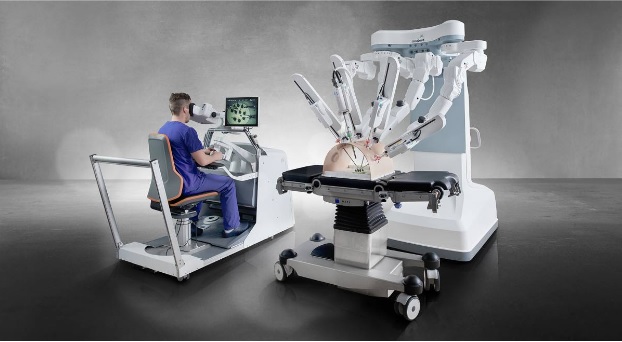
Robotic-assisted surgery is a minimally invasive technique used in several complex procedures, including prostate surgery. The approach combines surgeon expertise with advanced technology to improve visualisation and instrument control during the operation. Instead of a large incision, surgeons use specialised robotic instruments inserted through small openings in the abdomen.
Key elements of robotic-assisted surgery include:
Surgeon-Controlled Robotic Instruments
During the procedure, the surgeon controls robotic instruments from a console while the instruments operate through small incisions. The surgeon remains responsible for every movement throughout the surgery.
Enhanced Three-Dimensional Visualisation
The console provides a detailed three-dimensional view of the surgical field. This magnified visualisation allows the surgeon to observe delicate nerves and tissues surrounding the prostate with greater clarity.
Precision and Controlled Movement
The robotic system translates the surgeon’s hand movements into smaller, more precise actions within the body. This level of control enables careful workarounds for structures that influence urinary and sexual function.
Hospitals such as Nanavati Max Super Speciality Hospital integrate this technology within structured surgical programmes designed to support treatment accuracy and patient recovery.
How Robotic Surgery Influences Recovery?
Recovery after prostate surgery depends on several medical and individual factors. However, minimally invasive techniques may influence how patients experience the early stages of healing.
Reduced Surgical Impact
Because robotic procedures use smaller incisions, they may cause less tissue disturbance during the operation.
Blood Loss and Post-Operative Comfort
In many cases, blood loss during surgery may be lower, and patients may experience less discomfort after the procedure compared with traditional open surgery.
Early Movement and Hospital Stay
Minimally invasive surgery can support earlier mobilisation and shorter hospital stays. Early movement also helps improve circulation and supports healing.
While recovery differs among individuals, these factors have gradually changed expectations around recovery after prostate surgery.
Functional Recovery After Prostate Surgery
Beyond physical healing, recovery also involves restoring important bodily functions. Concerns about urinary control and sexual health often influence treatment discussions before surgery.
Urinary Control
Some patients experience temporary urinary leakage following surgery. Doctors may recommend pelvic floor exercises to strengthen muscles and support gradual recovery.
Sexual Function
Recovery of sexual function depends on factors such as patient age, general health, and whether nerve preservation is possible during surgery.
Rehabilitation and Follow-Up Care
Structured rehabilitation programmes and regular follow-up visits help patients regain strength, mobility, and confidence during recovery.
Functional outcomes vary among individuals, but careful surgical technique and appropriate follow-up care play important roles in long-term recovery.
Role of Early Diagnosis in Treatment Outcomes
Early diagnosis plays a significant role in determining suitable treatment options for prostate cancer. When the disease is detected at an early stage, doctors can plan treatment more effectively and consider procedures that protect surrounding tissues whenever possible.
Early detection supports treatment planning in several ways:
- Doctors can assess the stage and spread of cancer more accurately
- Patients may have access to a wider range of treatment options
- Surgical planning can focus on preserving nearby nerves and tissues
- Recovery outcomes may improve when treatment begins earlier
Diagnostic assessments such as prostate-specific antigen testing and imaging studies help clinicians identify the disease before recommending treatment.
Changing Expectations for Patients
Advances in surgical technology have influenced how patients approach treatment decisions. Many individuals now consider recovery timelines and quality-of-life outcomes alongside treatment effectiveness.
During consultations, patients often discuss:
- Expected duration of hospital stay
- Time required to return to normal activities
- Possible effects of surgery on daily life
- Long-term recovery and follow-up care
Because of these considerations, robotic surgery for prostate cancer has become an important part of treatment discussions in suitable cases.
Conclusion
Prostate cancer treatment has progressed significantly with the development of minimally invasive surgical techniques. Robotic-assisted procedures allow surgeons to perform complex operations with improved precision while reducing the physical impact of surgery.
Although recovery experiences vary, minimally invasive approaches may support earlier mobility and a smoother healing process. Early diagnosis, careful surgical planning, and consultation with experienced specialists remain important steps in managing prostate cancer and supporting long-term patient well-being.