
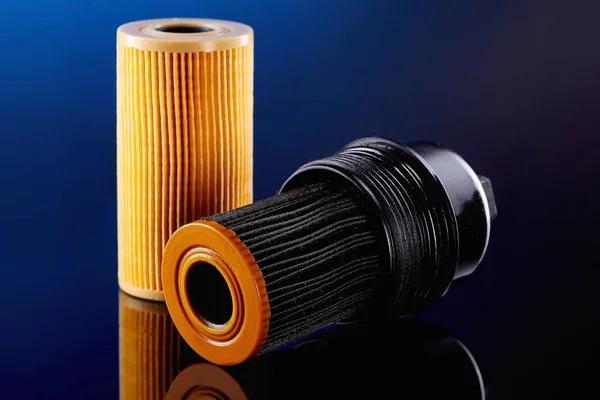
China has established itself as a leading global manufacturer and exporter of automotive components, including oil filters. The country’s oil filter suppliers serve both domestic and international markets, providing products for passenger cars, commercial vehicles, and industrial machinery. As export markets demand high-quality and reliable components, China oil filter suppliers adhere to stringent standards that ensure product consistency, safety, and compliance with international regulations.
Export standards for oil filters encompass various aspects of design, materials, manufacturing processes, testing, and packaging. These standards are essential for maintaining performance, protecting vehicle engines, and meeting the requirements of global automotive manufacturers. A reliable China Oil Filter Supplier ensures that its products comply with these standards, providing assurance to clients worldwide regarding quality, durability, and safety.
International Quality Certifications
One of the primary export standards followed by Chinese oil filter suppliers is compliance with international quality certifications. ISO 9001, for example, is a widely recognized standard for quality management systems, ensuring that manufacturing processes are consistent and capable of producing high-quality products. Many suppliers also adhere to the IATF 16949 standard, which is specifically designed for the automotive industry and focuses on continuous improvement, defect prevention, and reduction of variation in the supply chain.
By obtaining and maintaining these certifications, suppliers demonstrate their commitment to quality and reliability. This compliance is crucial for securing contracts with major automotive brands and for meeting the rigorous demands of aftermarket distributors across the globe.
Material and Manufacturing Standards
Exported oil filters must meet strict material and manufacturing standards to ensure they can withstand diverse operating conditions. Suppliers use high-quality cellulose, synthetic fibers, or composite media capable of trapping fine particles while maintaining proper oil flow. End caps, adhesives, and metal housings are selected for durability, heat resistance, and compatibility with engine systems.
Manufacturing standards also require precise assembly and quality control at every stage. Automated production lines, consistent pleating, and uniform media density are closely monitored to ensure that filters meet OEM specifications. Stringent control over raw materials, process parameters, and final assembly ensures that each filter performs reliably in both domestic and international vehicles.
Filtration Efficiency and Performance Testing
Filtration efficiency is a key criterion for oil filter exports. Suppliers are required to conduct rigorous testing to verify that filters effectively remove contaminants while maintaining optimal oil flow. Common testing methods include measuring the particle retention rate, pressure drop, contaminant holding capacity, and burst pressure resistance.
These tests simulate real-world engine conditions, ensuring that filters can perform under high temperatures, pressure fluctuations, and varying flow rates. Compliance with international testing protocols is mandatory for export, as it provides assurance to vehicle manufacturers and distributors that the filters will protect engines and maintain performance over their service life.
Environmental and Safety Standards
Environmental regulations are increasingly important in global markets. Chinese oil filter suppliers follow standards to minimize environmental impact during production and disposal. This includes proper handling of waste materials, use of environmentally friendly adhesives or resins, and production processes that reduce emissions. Some suppliers are also developing biodegradable or recyclable filter media to meet stricter environmental requirements in Europe, North America, and other regions.
Safety standards for exported oil filters ensure that filters do not fail under normal or extreme operating conditions. Suppliers implement quality control measures to detect defects such as leaks, weak seals, or compromised media integrity. Compliance with these safety standards is critical for maintaining brand reputation and meeting the expectations of international clients.
Packaging and Labeling Requirements
Packaging and labeling are integral to export standards. Filters must be packaged to prevent contamination, moisture damage, or physical deformation during transit. Protective boxes, sleeves, or shrink-wrap are commonly used, with clear labeling that includes product specifications, batch numbers, manufacturing dates, and installation instructions. Accurate labeling ensures traceability, compliance with import regulations, and ease of identification for distributors and end users.
Compliance with Regional Regulations
Different countries and regions have specific requirements for imported automotive components. China oil filter suppliers ensure compliance with regional regulations such as the European Union’s CE marking, the United States’ Department of Transportation (DOT) guidelines, and other national automotive standards. Adhering to these regulations is essential for accessing and maintaining export markets.
Conclusion
China oil filter suppliers follow comprehensive export standards that encompass quality management, material selection, manufacturing precision, filtration efficiency, environmental responsibility, and packaging. Compliance with international certifications and regional regulations ensures that exported oil filters meet OEM specifications, perform reliably under diverse conditions, and maintain safety and environmental standards. Working with a reputable China Oil Filter Supplier guarantees access to high-quality filters that adhere to global export standards, supporting vehicle performance, engine protection, and long-term reliability in international markets.