
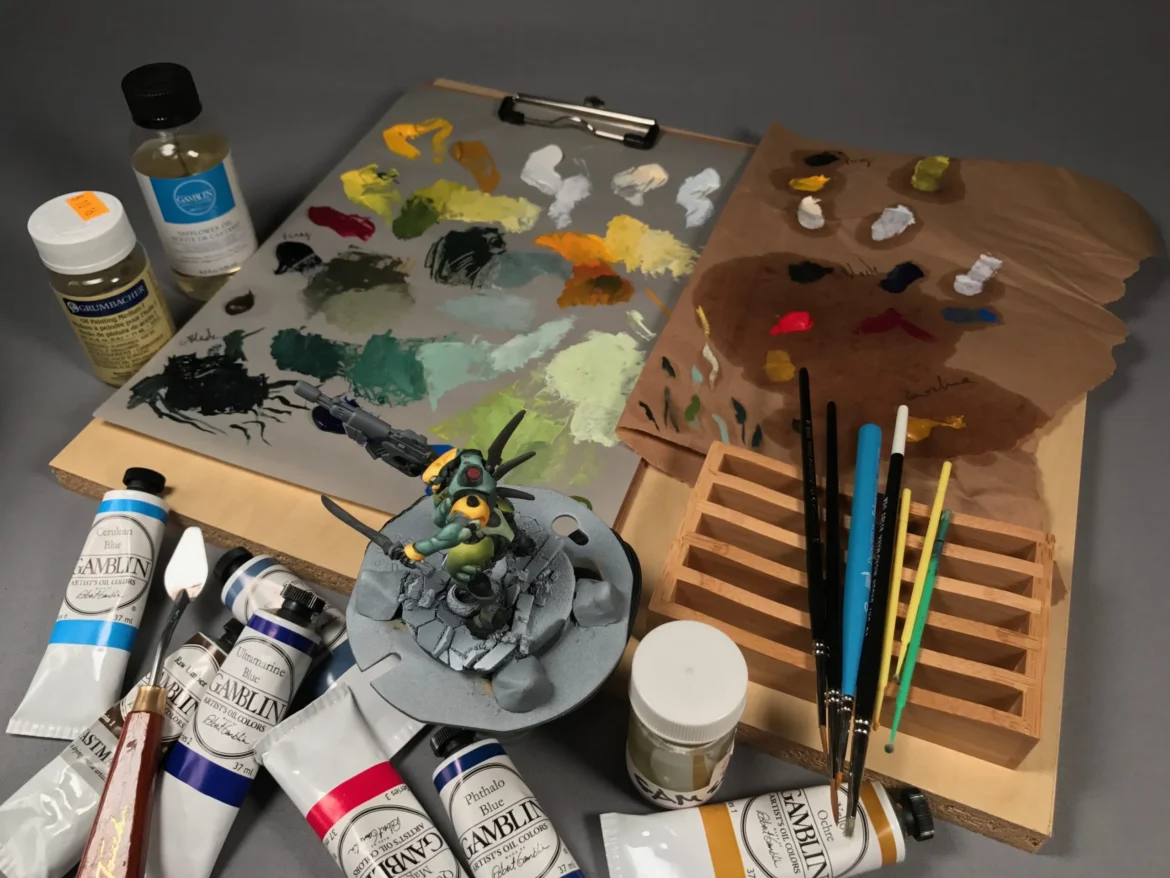
Oil painting has always been a balance between patience and intuition. Many artists spend countless hours refining tiny details, only to realize that the overall impact of the artwork does not improve proportionally. This is where a strategic mindset transforms the creative process. By focusing on what truly matters, painters can achieve stronger results with less effort, while preserving emotional depth and artistic clarity.
One of the most effective strategies modern artists rely on is the 80/20 Rule in Oil Painting. This principle encourages painters to invest most of their energy into a small number of crucial elements—such as composition, values, and focal points—that generate the majority of the painting’s visual power. Instead of spreading effort evenly across the canvas, artists learn to paint with intention and precision.
Understanding the Pareto Principle in Artistic Practice
The 80/20 rule, also known as the Pareto Principle, suggests that 80 percent of results come from 20 percent of actions. In oil painting, this means that a limited portion of the work—if executed thoughtfully—creates most of the viewer’s emotional and visual response.
Rather than polishing every corner of the canvas, artists identify the areas that immediately capture attention. These areas might include a dramatic contrast, a textured surface, or a carefully placed subject. When these elements are strong, the painting feels complete, even if secondary details remain understated.
Why Oil Painting Is Perfect for the 80/20 Method
Oil paint is uniquely suited for this approach because of its versatility and depth. The medium allows artists to build layers, blend smoothly, and create rich textures where it matters most. With oils, a few deliberate strokes can communicate mood, movement, and atmosphere far more effectively than excessive detailing.
This flexibility enables painters to concentrate on expressive brushwork, tonal harmony, and spatial balance. As a result, artworks feel more alive and intentional, rather than overworked or rigid.
Identifying the Most Impactful 20 Percent
To apply the 80/20 rule successfully, artists must first recognize which elements contribute most to the final impression of the painting. These typically include:
- Composition: The arrangement of shapes, lines, and negative space that guides the viewer’s eye.
- Value Structure: The relationship between light and dark areas, which establishes depth and drama.
- Focal Points: Specific areas designed to attract immediate attention and anchor the composition.
- Color Relationships: Harmonious or contrasting colors that define mood and emotional tone.
- Texture and Movement: Expressive brushstrokes or palette knife work that adds energy and dimension.
When these aspects are strong, the painting communicates clearly, even without extensive refinement elsewhere.
How Artists Apply the Rule Step by Step
Many painters begin by planning their composition before touching the canvas. Rough sketches or tonal studies help determine where the strongest contrasts and focal points should be placed. This planning stage ensures that the most important areas receive the highest level of attention later.
During the painting process, artists devote their time to building depth, texture, and clarity in these critical zones. Backgrounds and supporting areas are kept simpler, using broader strokes and fewer layers. This contrast not only saves time but also enhances the impact of the main subject.
By resisting the urge to perfect every detail, painters maintain freshness and spontaneity, allowing the artwork to breathe.
Benefits of the 80/20 Rule for Artists
Adopting this principle offers several long-term advantages:
- Faster Completion: Paintings reach a finished state more efficiently without sacrificing quality.
- Stronger Emotional Impact: Focused effort ensures the artwork communicates its message clearly.
- Reduced Creative Fatigue: Artists avoid burnout by eliminating unnecessary overworking.
- Improved Consistency: Results become more reliable across different styles and subjects.
- Greater Confidence: Knowing where to focus helps artists make decisive creative choices.
These benefits make the 80/20 rule especially appealing for professionals and emerging artists alike.
The Role of the 80/20 Rule in Abstract Oil Painting
Abstract oil painting is one of the clearest examples of this principle in action. Instead of detailing recognizable forms, abstract artists rely on texture, color balance, and rhythm to evoke emotion. Often, only a small portion of the canvas contains heavy texture or bold contrast, while the rest provides visual rest.
This selective intensity creates harmony and depth, allowing viewers to engage emotionally without feeling overwhelmed. The result is artwork that feels intentional, calming, and powerful at the same time.
Avoiding Common Mistakes
While the 80/20 rule is highly effective, it requires discipline. A common mistake is misidentifying the most important elements and spending effort in the wrong areas. Another is underworking secondary sections to the point where they feel disconnected from the whole.
The key is balance. Supporting areas should remain simple but cohesive, enhancing the focal points rather than distracting from them.
How This Approach Enhances Viewer Experience
From a viewer’s perspective, paintings created with the 80/20 rule feel more engaging and easier to interpret. The eye naturally gravitates toward the most meaningful areas, while the surrounding space provides calm and context. This visual flow makes the artwork memorable and emotionally resonant.
Such paintings often feel more refined and confident, as if every brushstroke has a purpose.
Painting Smarter, Not Harder
The 80/20 rule encourages artists to rethink how they allocate time and energy. Instead of measuring effort by hours spent, success is defined by clarity, impact, and emotional connection. This shift in mindset transforms oil painting from a labor-intensive task into a more intuitive and rewarding experience.
Final Thoughts
The 80/20 rule in oil painting is a powerful framework for artists who want to create meaningful work without unnecessary complexity. By concentrating on composition, values, focal points, and texture, painters can achieve remarkable results with focused effort.
Whether working on abstract compositions or representational pieces, this approach helps artists maximize visual impact, maintain creative energy, and produce artworks that feel balanced and complete. In the end, painting with intention leads to masterpieces that resonate deeply—both visually and emotionally.