CNC machining has revolutionized modern manufacturing by offering high precision, automation, and consistent quality in component production. Among the many types of CNC machines available, the 2 axis CNC lathe and multi-axis CNC machines are two widely used categories. Both serve critical roles in machining operations, but they differ in complexity, capabilities, and suitability for various industrial applications. Understanding these differences is essential for manufacturers aiming to optimize efficiency, reduce costs, and produce high-quality components.
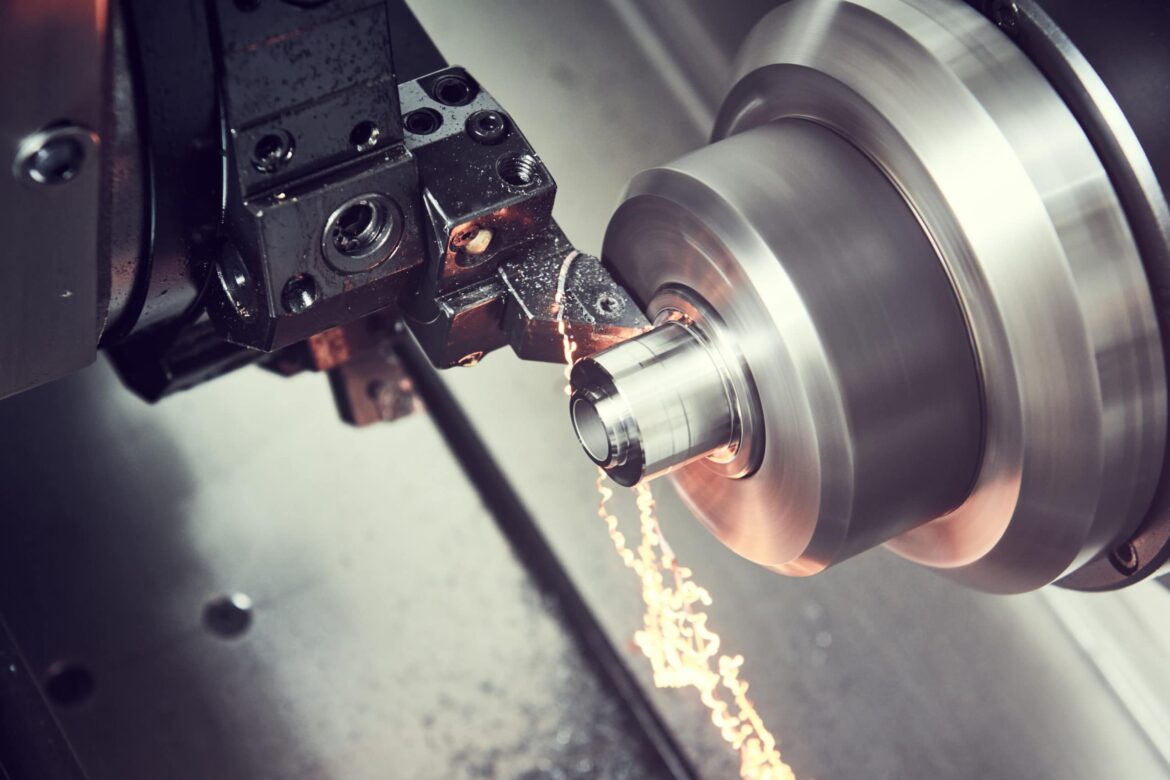
A 2 axis CNC lathe is specifically designed for turning operations, where the workpiece rotates while the cutting tool removes material along controlled paths. It operates along two main axes: the X-axis, which controls the diameter or cross-sectional cutting, and the Z-axis, which manages longitudinal movement along the workpiece. This configuration makes it highly effective for producing cylindrical components such as shafts, bushings, and threaded parts. Many production facilities rely on machines like the 2 Axis CNC Lathe because of their simplicity, reliability, and ability to maintain consistent quality in medium- to high-volume production runs.
Key Differences in Functionality
The fundamental difference between a 2 axis CNC lathe and multi-axis CNC machines lies in their movement capabilities. While a 2 axis CNC lathe operates along just two axes, multi-axis CNC machines incorporate additional axes, typically ranging from three to five, and in some advanced systems even more. These extra axes, such as Y, A, or B, allow the cutting tool to approach the workpiece from multiple angles, enabling the machining of complex geometries and intricate designs in a single setup.
This distinction significantly affects the types of parts that each machine can produce. A 2 axis CNC lathe is optimized for rotationally symmetrical parts and relatively straightforward designs, making it ideal for industries like automotive, industrial machinery, and general metalworking. In contrast, multi-axis CNC machines are suited for producing complex aerospace components, medical devices, and other parts requiring detailed features and high precision. The ability to machine multiple surfaces and angles without repositioning the workpiece reduces setup time and improves overall manufacturing efficiency.
Programming and Operation Complexity
Another key difference lies in the programming and operation of these machines. A 2 axis CNC lathe generally requires simpler programming since it involves only two axes of movement. Operators can quickly create part programs using standard G-code or CAM software, and the machine can consistently replicate parts with minimal manual intervention. This simplicity makes 2 axis CNC lathes a practical choice for manufacturers looking for reliability and efficiency without the need for extensive operator training.
Multi-axis CNC machines, on the other hand, involve more complex programming. The inclusion of additional axes demands precise coordination and more advanced CAM software to generate accurate tool paths. Operators must understand multi-axis machining strategies, including simultaneous cutting along multiple axes, collision detection, and tool orientation. While this complexity requires skilled operators, it provides the advantage of producing highly intricate parts in fewer setups, which reduces overall production time for complex components.
Industrial Applications
The industrial applications of 2 axis CNC lathes and multi-axis CNC machines also reflect their differences in capabilities.
2 axis CNC lathes are widely used in industries that require high-volume production of cylindrical parts. For example, automotive manufacturers use them to produce shafts, gear components, bushings, and pistons. Industrial machinery companies rely on these machines to fabricate standard cylindrical components such as rollers and couplings. Their simplicity and precision make them well-suited for parts that do not require complex contours or multi-surface machining.
Multi-axis CNC machines are essential in industries requiring intricate designs and exceptional precision. Aerospace manufacturers use these machines to create turbine blades, engine components, and structural parts with complex geometries. Medical device manufacturers rely on multi-axis CNC systems to produce surgical instruments, implants, and other precision equipment. In addition, the electronics industry uses multi-axis machines to create precise housings and connector components, which would be challenging or impossible with a standard 2 axis CNC lathe.
Advantages and Limitations
Each machine type offers specific advantages and limitations. The main advantage of a 2 axis CNC lathe is its simplicity, cost-effectiveness, and efficiency for repetitive turning operations. However, it cannot produce complex geometries or multi-surface features in a single setup, which limits its flexibility.
Multi-axis CNC machines offer unmatched versatility and can handle complex parts with fewer setups, reducing total production time. The trade-off is higher cost, more complicated programming, and a need for skilled operators. Manufacturers must weigh these factors when choosing between a 2 axis CNC lathe and a multi-axis system.
Conclusion
Understanding the differences between a 2 axis CNC lathe and multi-axis CNC machines is crucial for manufacturers aiming to optimize production efficiency, cost, and part quality. While 2 axis CNC lathes excel in producing standard cylindrical components efficiently, multi-axis CNC machines are necessary for complex, high-precision parts across aerospace, medical, and advanced engineering industries. By evaluating the capabilities, applications, and limitations of each system, manufacturers can select the right CNC solution to meet their specific operational needs.